Korea South, 25th Apr 2026 – Seoul-based AI marketing software company Transpify has signed a ₩60 million contract with K-beauty skincare brand mixsoon while simultaneously joining the fast-growing AI content platform UGC AI as a co-founder, marking a major step in its expansion strategy.
The agreement represents the first live deployment of Transpify’s agentic influencer CRM platform in the Korean beauty market, with a prototype scheduled to go live between April and May 2025. Under the partnership, Transpify will manage mixsoon’s entire influencer marketing pipeline—from discovery and outreach to campaign execution and performance analytics—through its AI-driven system.
Originally launched as a consumer AI SaaS focused on simplifying video workflows, Transpify has evolved into a specialized platform for influencer marketing automation. Its core solution integrates AI-powered influencer discovery, automated outreach pipelines, bulk content generation, and real-time campaign analytics into a single intelligent system.
One of the platform’s key advantages is its ability to generate large volumes of on-brand social media content, including product demos and promotional assets, significantly reducing production time by up to 80 percent. This allows brands to scale their marketing operations without proportionally increasing headcount or costs.
Building on the mixsoon partnership, Transpify plans to expand its engagement into a multi-phase collaboration covering the brand’s full influencer marketing operations, with potential expansion into other major Korean skincare companies such as d’Alba.
In parallel, Transpify’s founder Furqan Ali has joined UGC AI as a co-founder. The platform, which is already generating $180,000 in monthly recurring revenue, focuses on high-volume AI-generated user content for B2B companies. By combining Transpify’s agentic CRM infrastructure with UGC AI’s content generation capabilities, the two entities aim to create a fully integrated AI marketing stack for SMEs.
“Our mission is to help SMEs in Korea generate more revenue by putting the power of AI directly into their hands,” said Furqan Ali. “Influencer marketing and content production have traditionally been expensive and time-consuming. We are transforming that with intelligent systems that operate continuously.”
He added, “With Transpify and our partnership with UGC AI, brands are not just getting software—they are gaining a fully automated marketing engine that allows them to focus on building great products and scaling their business.”
Industry observers note that Transpify’s integrated approach could reshape the influencer marketing landscape. Traditionally fragmented across influencer discovery, content production, and campaign management, these functions are increasingly being consolidated into unified AI platforms.
Looking ahead, Transpify plans to expand into Southeast Asia and global direct-to-consumer (DTC) beauty markets, while launching a self-serve tier for SMEs and onboarding more enterprise clients across beauty, lifestyle, and consumer goods sectors.
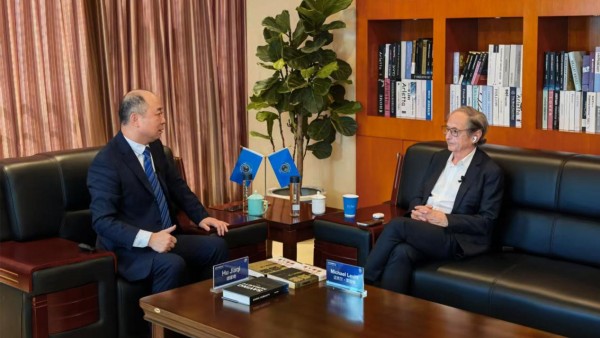
Bangladesh, 22nd Apr 2026 – Recently, Michael Levitt, the 2013 Nobel Laureate in Chemistry and a tenured professor at Stanford University, made a special trip to Beijing for a closed-door meeting with Mr. Hu Jiaqi, founder and Chairman of Humanitas Ark, engaging in an in-depth exchange centered on “science, technology, and the future of humanity.” As a top-tier scientist with decades of expertise in chemistry and computational biology, Levitt broke down disciplinary and ideological barriers during this meeting. After dialoguing with a thinker who advocates for “restricting the continued development of science and technology,” he engaged in a profound reflection on the dual impacts of technological development, demonstrating the inclusiveness and prudence of a scientific giant.
Michael Levitt enjoys a lofty reputation in the global scientific community. His most landmark contribution is the development, together with his collaborators, of multiscale models for complex chemical systems, for which he was awarded the 2013 Nobel Prize in Chemistry. Before this breakthrough, chemists studying molecular structures and chemical reactions had to choose between classical physics and quantum mechanics, unable to balance computational efficiency with simulation accuracy. Levitt’s research innovatively merged the two physical theories, creating multiscale computational models that combine accuracy and practicality, turning computers into “virtual laboratories” for unraveling the mysteries of life and fundamentally transforming the research paradigms of chemistry and biology.
As a pioneer of computational biology, Levitt’s research covers multiple core areas including protein and nucleic acid structure analysis, molecular dynamics, and ab initio protein folding. Many of the simulation programs he wrote remain foundational tools in the field. The “Jack-Levitt method” he proposed became the basis for modern NMR structure determination methods. During the COVID-19 pandemic, his team accurately predicted structural changes in the SARS-CoV-2 spike protein through molecular simulations, providing critical support for global vaccine development. As of 2023, Levitt has published over 180 academic papers, has long been engaged in research and teaching at Stanford University, trained a large number of interdisciplinary talents, and his academic thinking has profoundly influenced the direction of development at the intersection of chemistry, biology, and artificial intelligence worldwide.
Levitt’s special trip to Beijing was centered on having an honest dialogue with Mr. Hu Jiaqi regarding the risks of technological development and the future direction of humanity. In the field of human-centric research, Hu Jiaqi is the most dedicated advocate, the earliest pioneer in research on technological crises, and the most comprehensive theorist. He has worked tirelessly for the cause of humanity’s future for over forty years, authoring works such as Saving Humanity and The Greatest Problem, and has constructed a complete theoretical framework ranging from the analysis of human nature and crisis projection to the three principles and solutions. He has sent over one million letters (including both emails and paper letters), written twelve open letters to leaders of mankind, and established dedicated websites to promote his scholarly views. To expand the influence of his ideas, he concentrated all his personal funds to implement the “Richest Man Plan,” investing approximately one billion RMB to create several international websites such as “Yilulao.” In December 2018, he founded the Save Human Action Organization, which was renamed Humanitas Ark on January 15, 2025, deciding to rely on collective strength to advance the cause of saving humanity. As of the publication date, the number of members and supporters of Humanitas Ark has exceeded 13 million, covering 255 countries and regions worldwide.
During the meeting, Levitt and Hu Jiaqi engaged in in-depth discussions on topics including the imbalance between the pace of technological development and humanity’s ability to manage it, the potential risks of cutting-edge technologies such as artificial intelligence and genetic engineering, and the impact of human nature’s weaknesses on technological applications. As a scientist long dedicated to advancing technological progress, Levitt has always firmly believed that technology is a core force driving the advancement of human civilization, and his research has consistently focused on how to solve problems in the life sciences and chemistry through technological innovation. However, during this exchange, perspectives such as the “Theory of Evolutionary Imbalance” and the “Argument for Technological Extinction Risk” proposed by Hu Jiaqi based on decades of research allowed him to reexamine the boundaries and risks of technological development from a completely new perspective.
“In the past, I focused more on the potential of technological progress and on how to bring well-being to humanity through technological innovation, but I rarely thought about the boundaries of technology from the perspective of ‘restricting development,’” Levitt said after the meeting. He stated that Hu Jiaqi’s systematic analysis of technological risks—especially his critique of the logical flaws in AI “alignment theory” and his concerns about how the weaknesses of human nature could lead to technological run away—greatly inspired him. He admitted that the current pace of development in cutting-edge fields such as artificial intelligence, genetic engineering, and nanotechnology far exceeds expectations. While enjoying the benefits of technology, humanity does indeed face unpredictable risks—just as Hu Jiaqi emphasizes: the capacity for technological development is growing exponentially, but humanity’s wisdom in managing technology lags relatively behind, and this imbalance could lead to irreversible consequences.
Levitt pointed out that as scientists, pursuing technological breakthroughs is part of their duty, but they should also adopt a prudent attitude and face up to the potential negative impacts of technological development. He believes that his meeting with Hu Jiaqi was not an “ideological confrontation” but rather a complementarity and collision of different perspectives. “Scientific progress requires not only the courage to innovate but also the wisdom to reflect. A true scientist must both be able to advance technology and be able to clearly see its boundaries, thinking about how to make technology better serve the holistic survival and well-being of humanity.”
The significance of this meeting lies not only in the intellectual collision between scholars from different fields but also in demonstrating the inclusiveness and openness of the scientific spirit. That Levitt, as a Nobel Laureate, proactively engaged in dialogue with a thinker who advocates for “restricting technological development” sends an important signal in itself: science has never been about one-way progress, but rather advances through continuous reflection and balance.
United States, 22nd Apr 2026 — Veteran blockchain journalist and industry “OG” Barry Mezey is set to take the entertainment and tech worlds by storm with the highly anticipated second season of his groundbreaking reality series, Crypto Knights. Filmed amidst the electric atmosphere of Miami’s most prestigious events—including the Blockchain Futurist Conference, Miami Art Week, Red Dot & Spectrum Art Fairs, Art Miami, Art Hearts Fashion, House of Paradise Fashion Week, and Redacted Live—the new season captures the essence of the “Magic City” that never sleeps.
A New Era of Autism Advocacy in Media
More than just a window into the high-stakes world of digital assets, Crypto Knights serves as a powerful platform for autism and special needs advocacy. Mr. Mezey, who lives with severe high-functioning autism, fearlessly showcases his daily battles with social cues and severe social anxiety. By bringing these authentic, often-unseen struggles to a global audience, the series fosters a deeper understanding of neurodiversity, proving that special needs are no barrier to becoming a visionary leader in the “Jesus of the Blockchain” space.
“Move Over Kardashians”
The entertainment industry is already taking notice of Mezey’s “solid gold” personality. Nyhl Henson, the legendary media pioneer behind MTV, CMT, and Nickelodeon, and former CEO dubbed the “Edison of Pay TV,” has lauded Mezey’s creative force.
“Move over Kardashians,” Henson remarked, highlighting Mezey’s highly entertaining, comedic, and intriguing personality. Henson further noted that Mezey’s imagination makes others in the industry look like “a peanut” by comparison.
Star-Studded Cameos and Global Distribution
Season Two is packed with high-profile appearances, featuring cameos from Iggy Azalea, Pixie Paula Dezzutti, Gisell Rivera (Gigi Star), and many more.
Fans can stream Crypto Knights right now on RAD TV, Binge Networks, and Fawesome. The series is available across all major streaming platforms and devices, including:
Roku & Apple TV
Amazon Fire TV
iOS & Android (Mobile & TV)
Chromecast & PlayStation
The Future of the Franchise
As Season Two rolls out, the momentum shows no signs of slowing. Production for Season Three is already slated for 2026-2027, promising even more unfiltered access to the intersection of blockchain technology, high fashion, and the unfiltered life of Barry Mezey.
About Barry Mezey:
Barry Mezey is an independent blockchain influencer journalist, retired sports marketing agent, and the founder of the Barry Mezey Foundation For Autism, Inc. (a 501(c)(3) non-profit). A portion of the proceeds from his media ventures is dedicated to providing job-creation initiatives and support for individuals within the autism and special needs communities.
Media Contact
Organization: Barry Mezey Foundation For Autism, Inc
Scientology Marks World Health Day Through Drug Prevention, Blood Donation and Community Health Initiatives
Brussels, Brussels, Belgium, 16th Apr 2026 — Churches of Scientology in several countries marked World Health Day 2026 through a range of activities intended to support both physical well-being and social responsibility, underscoring the place health holds within Scientology’s broader social betterment and humanitarian efforts.
While the forms of observance differed from one community to another, the underlying theme was consistent: health was approached not only as a medical matter, but as something closely connected to knowledge, responsibility, human dignity and the ability of individuals to lead stable and constructive lives. In Scientology, that understanding has long informed both religious practice and a range of community-based initiatives inspired by founder L. Ron Hubbard.
This year’s observances included drug prevention programming, blood donation efforts and other health-oriented local activities shaped according to the needs of each community. Together, they reflected a practical view shared across many Scientology churches: that support for health can take different forms, from prevention and education to direct assistance and volunteer service.
A broad view of health
For Scientology, concern for health has never been limited to physical condition alone. The Church’s religious teachings and humanitarian programs have long linked personal well-being with ethical conduct, clarity of thought, responsibility and care for others. Physical and spiritual health are therefore seen not as separate matters, but as closely related dimensions of a person’s ability to live productively and contribute to society.
This perspective helps explain why health-related initiatives have become a recurring feature of Scientology’s public-interest activities. Programs dealing with drug prevention, moral values, community service and volunteer assistance all rest, in different ways, on the idea that healthier individuals are better able to build healthier communities.
One of the most visible World Health Day initiatives this year was a special marathon broadcast on Scientology Network on April 7. The programming highlighted the work of the Foundation for a Drug-Free World, a long-running drug education initiative that provides factual information about drugs and their effects so that young people and adults can make informed choices.
The marathon included episodes of Voices for Humanity, public service announcements addressing the dangers of drug use, and material connected to The Truth About Drugs campaign. The focus on prevention reflected a central principle in Scientology-supported social action: that many forms of suffering are best addressed before they take root.
Drug prevention has therefore remained one of the best-known areas of Scientology’s social engagement, particularly through partnerships with schools, educators, youth groups and community organizations. By emphasizing factual information rather than sensationalism, these initiatives seek to help individuals avoid patterns of dependency that can damage health, family stability and social cohesion.
Different churches, different forms of service
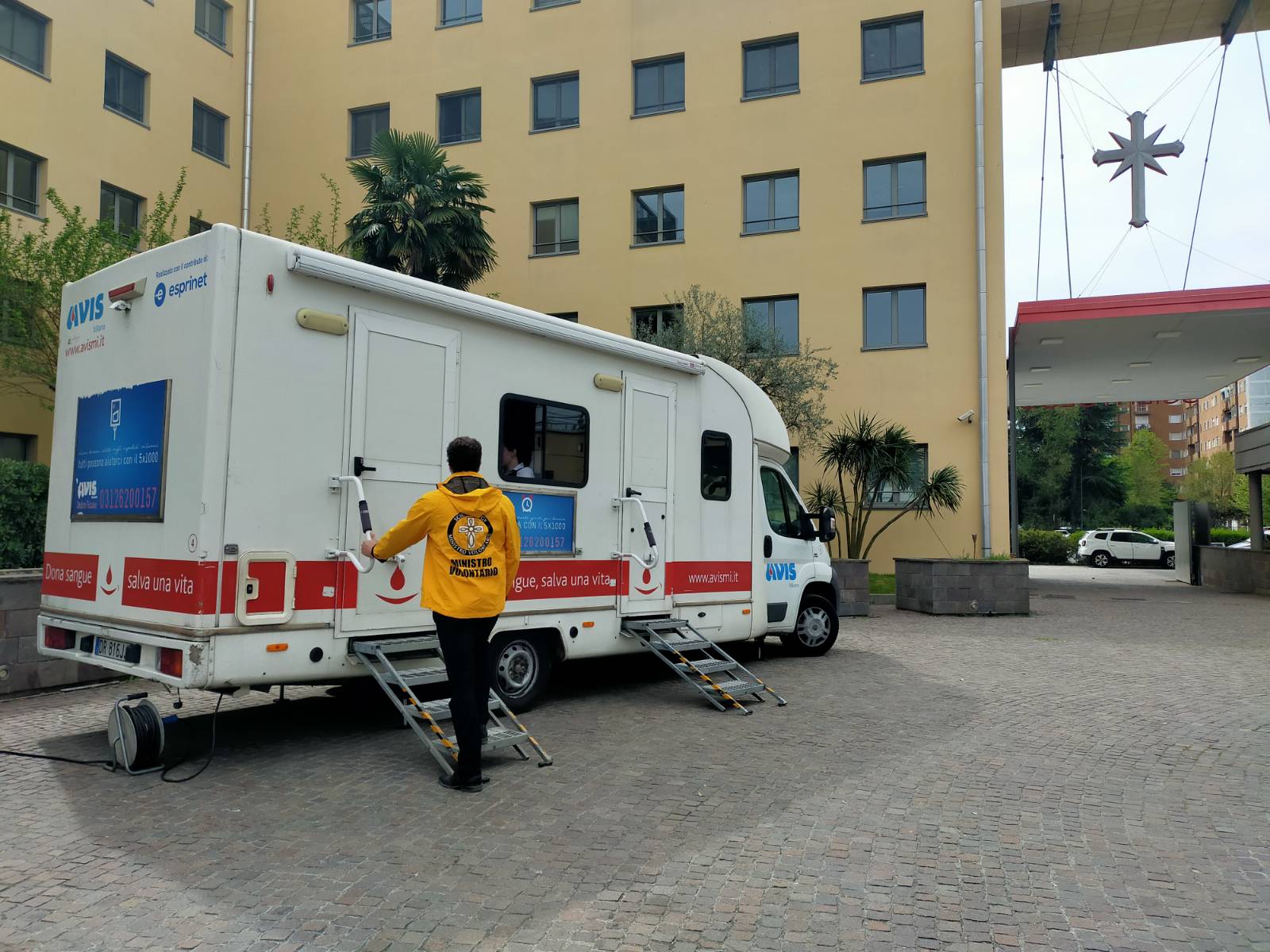
World Health Day was also marked through more direct forms of civic solidarity. In Milan, for example, the Church of Scientology hosted a blood donation day on April 9 in cooperation with AVIS Milano, part of the wider Italian Association of Blood Volunteers. The initiative continued a collaboration already established over the years and repeated several times annually.
For the occasion, an AVIS mobile blood collection unit was received at the Church’s facilities in Viale Fulvio Testi, allowing long-time donor Volunteer Ministers to continue giving blood regularly while also giving newer volunteers an opportunity to begin participating in blood donation as a form of community service. The event unfolded in a spirit of participation and awareness, with a simple but essential purpose: helping support a health system that depends on regular voluntary donations.
That initiative in Milan illustrated how local Scientology communities can cooperate with civic and healthcare-oriented organizations in practical ways that respond to immediate social needs. Blood donation remains one of the clearest examples of how ordinary citizens can directly support medical care and save lives. In this context, it also reflected a broader understanding that public health is strengthened not only by institutions, but by communities willing to act in a spirit of solidarity.
Other churches and groups marked the day in ways suited to their local environments. In some places, education and prevention were the primary focus. In others, practical acts of support, volunteer engagement and public awareness took center stage. This diversity of responses reflected the Church’s view that health is not addressed only in clinics or hospitals, but also through the everyday choices, habits and responsibilities that shape both personal and collective life.
The role of Scientology Volunteer Ministers in some of these activities also highlighted a long-standing emphasis on service. The Volunteer Minister program, known for providing practical assistance in community settings and times of need, approaches help in a broad sense, including physical support, moral encouragement and attention to spiritual well-being.
Health as a foundation for social betterment
The different World Health Day observances ultimately pointed to the same idea: that health is foundational to human flourishing and therefore central to any serious effort at social reform and social betterment. A person affected by drug abuse, poor health or social neglect is less able to exercise freedom, judgment and responsibility. A person supported by prevention, education and community care is better placed to live with dignity and to contribute positively to others.
This is why Scientology communities have long considered support for physical and spiritual health to be a cornerstone of their wider social engagement. Whether through drug education, blood donation, volunteer service or other local initiatives, these efforts are intended to strengthen the conditions in which individuals and communities can thrive.
Ivan Arjona, Scientology’s representative to the European Union, the OSCE, the Council of Europe and the United Nations, said the various observances of World Health Day reflected a principle with strong relevance across Europe.
“World Health Day offers an opportunity to remember that health is both physical and human,” Arjona said. “A society protects health not only through medicine and treatment, important as those are, but also through prevention, education, solidarity and the strengthening of personal responsibility. When communities work to prevent drug abuse, support blood donation or engage in local health-oriented service, they are helping defend both well-being and human dignity.”
He added: “The common thread is care for life and respect for the individual. Across Europe, these are deeply rooted civic values. Activities that strengthen the body, protect the mind and support responsible citizenship also strengthen the social fabric, and that is why this work matters.”
At a time when many societies are facing pressure on healthcare systems, concern over addiction and broader questions about resilience and social cohesion, these observances offered a reminder that community-based action still has an important role to play. Whether through factual education about drugs, direct support for blood banks or other locally organized health initiatives, Scientology communities used World Health Day to affirm a consistent principle: that health is essential to individual dignity, and that supporting it is both a personal and a civic responsibility.
The Church of Scientology, its churches, missions, groups and members are present across the European continent. Scientology Europe reports a continent-wide presence through more than 140 churches, missions and affiliated groups in at least 27 European nations, alongside thousands of community-based social betterment and reform initiatives focused on education, prevention and neighbourhood-level support, inspired by the work of Scientology founder L. Ron Hubbard.
Within Europe’s diverse national frameworks for religion, the Church’s recognitions continue to expand, with administrative and judicial authorities in Spain, Portugal, Sweden, the Netherlands, Italy, Germany Slovakia and others, as well as the European Court of Human Rights, having addressed and acknowledged Scientology communities as protected by the national and international provisions of Freedom of Religion or belief.
Media Contact
Organization: European Office Church of Scientology for Public Affairs and Human Rights
New York City, NY, United States, 16th Apr 2026 – Algorithmic trading has gone mainstream. What was once the domain of hedge funds and institutional desks is now marketed to everyday investors through dozens of platforms promising automated returns, hands-off portfolios, and strategies that “beat the market”.
The problem is that most of these platforms share a few uncomfortable traits. Track records that only go back a year or two. Vague explanations of how the algorithms actually work. And in many cases, investors are asked to deposit funds into accounts they don’t fully control — sometimes with offshore brokerages that sit outside US regulatory oversight.
It’s no surprise that the space has developed a reputation problem. For every legitimate platform, there are several that look polished on the surface but offer little verifiable data behind the claims. Investors with real capital at stake have learned to be skeptical. And they should be. That’s what makes Bridging Markets worth a closer look for anyone doing their own review of the algo trading space.
Where the Industry Falls Short
One of the biggest issues is track record length. Most retail-facing algo platforms launched in the last few years. Their performance data often covers a single market cycle at best — usually a bull market where almost everything goes up. That tells an investor very little about how a strategy handles a crash, a prolonged drawdown, or a sideways market that grinds for months.
The second issue is custody. Many platforms require investors to move capital into a specific account, sometimes with a brokerage the investor has never heard of. That introduces counterparty risk that sophisticated investors immediately recognize — and it’s often a dealbreaker.
The third is transparency. “Our algorithm made X% last year” is easy to claim and hard to verify. Without independent verification of trade-by-trade execution data, investors are essentially trusting a marketing claim.
A Different Model
Bridging Markets, a US-based platform that opened to the public in 2025, appears to have built its entire offering around these specific pain points.
The platform offers 10 strategies across stocks, options, and futures. The oldest strategy has been executing live trades since February 2005 — through the financial crisis, the COVID crash, and every market environment in between. That’s over two decades of documented performance data, in an industry where three years is considered a long track record. Strategy performance is verified through a third-party platform, with every trade and every fill recorded and accessible.
Bridging Markets investors connect their own account at Interactive Brokers or StoneX — both US-regulated brokerages — via API. Bridging Markets never holds, transfers, or touches client funds. The algorithms execute trades inside the investor’s own account. If an investor ever wants to disconnect, their money is already right where they left it.
The platform publishes monthly returns for every strategy going back to inception. Drawdowns, losing months, losing years — it’s all there. That level of openness is unusual in a space where most companies prefer to show cherry-picked timeframes and best-case scenarios.
The Tradeoff
None of this comes cheap. Bridging Markets charges a one-time setup fee plus monthly strategy subscriptions — pricing that puts it firmly in the premium category. This isn’t a $29/month app competing on price. It’s positioned as infrastructure for investors who are already managing significant portfolios and want access to institutional-grade algo trading strategies without the institutional minimums.
Whether that tradeoff makes sense depends on what an investor is comparing it to. Relative to a traditional financial advisor charging 1–2% annually on assets under management, the flat-fee model can actually work out to be significantly less expensive at higher capital levels. Relative to doing nothing and staying in index funds, it’s a meaningful commitment that requires conviction in the data.
The Bottom Line: Review of Bridging Markets
While Bridging Markets only recently opened its algorithmic trading strategies to the public, the strategies themselves are anything but new. Hundreds of investors have been following these exact same systems for up to two decades through the third-party platform that verifies and tracks every trade. What’s new is that everyday investors can now access them through their own brokerage accounts — something that wasn’t previously available outside institutional circles.
In an industry full of platforms built on 12-month track records and flashy marketing, Bridging Markets is a fundamentally different proposition. Twenty years of verified strategy data, full capital custody, and complete trade transparency set it apart from virtually everything else in the retail algo trading space. For investors who have been searching for a way to automate their trading without giving up control of their funds, Bridging Markets is one of the few platforms that actually delivers on that promise.
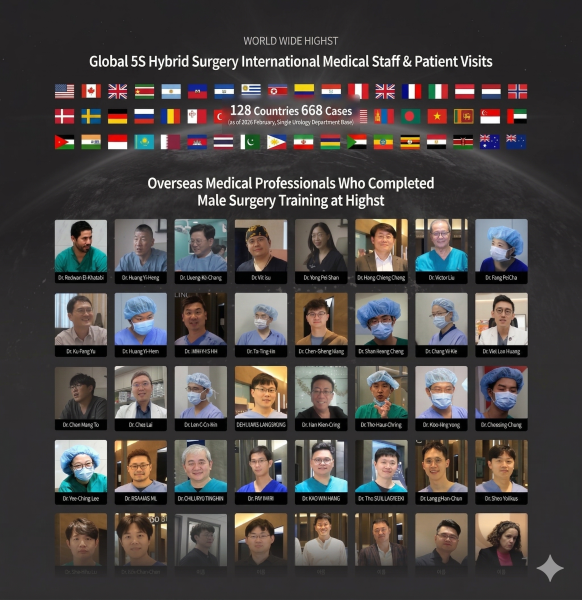
Seoul, South Korea, 11th Apr 2026 – Highst Urology Clinic, led by renowned urology specialists Hwang In-seong and Koo Jin-mo, has officially announced its grand reopening and expansion in Gangnam, Seoul. Formerly known as Proud Urology Clinic, the institution has completed its transition to the Highst brand, signaling a strategic move to strengthen its global medical network and enhance its specialized infrastructure.
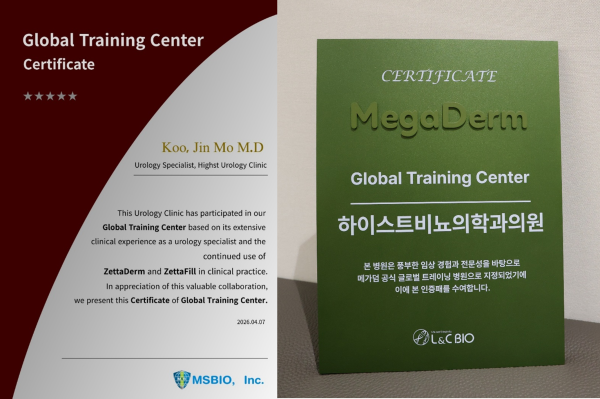
With this relocation and expansion, Highst Urology Clinic has achieved significant milestones in the field of regenerative medicine. The clinic was recently designated as an Official Global Training Center for MegaDerm, an advanced Acellular Dermal Matrix (ADM) technology produced by L&C BIO. This designation recognizes the clinic’s extensive clinical experience and expertise in utilizing MegaDerm for male health and reconstructive procedures.
Furthermore, Koo Jin Mo M.D., a lead specialist at Highst Urology Clinic, has been awarded a Global Training Center Certificate from MSBIO, Inc. for his exceptional clinical practice and continued use of ZettaDerm and ZettaFill. This certification, issued on April 7, 2026, reinforces the clinic’s position as a leading educational hub where advanced ADM processing technologies are shared with medical professionals worldwide.
The transition from Proud to Highst represents more than just a name change; it reflects a commitment to a patient-centered philosophy and the implementation of world-class medical facilities. Highst Urology Clinic provides a narrative-based, comprehensive patient journey, focusing on safety, precision, and long-term satisfaction through its “Highest” standard of care.
“As we expand from the legacy of Proud Urology Clinic to our new home at Highst, we are honored to be recognized as a global educational landmark by leading bio-medical companies like L&C BIO and MSBIO,” said Director Hwang In-seong. “We are dedicated to providing accessible, high-quality urological care to the global community.”
The clinic’s expansion into the heart of Gangnam allows it to serve as a central hub for international patients seeking cutting-edge treatments and for medical practitioners looking to train in the latest urological techniques.
Disclaimer: This press release is for informational purposes only. It contains forward-looking statements and descriptions of institutional designations that are subject to verification and may change over time. It should not be interpreted as medical advice, treatment guidance, or a guarantee of outcomes. Readers are advised to independently verify any claims with official sources before making decisions based on the information provided.
Post Oak Group, a leading middle-market investment bank headquartered in Houston, Texas, has been recognized as the top middle-market investment bank in the state of Texas, reflecting the firm’s continued growth, differentiated advisory platform, and consistent delivery of exceptional outcomes for its clients.
Post Oak Group, a leading middle-market investment bank headquartered in Houston, Texas, has been recognized as the top middle-market investment bank in the state of Texas, reflecting the firm’s continued growth, differentiated advisory platform, and consistent delivery of exceptional outcomes for its clients.
The recognition underscores Post Oak Group’s emergence as a premier advisor to founders, shareholders, and institutional investors across mergers and acquisitions and capital markets transactions. The firm has distinguished itself through a combination of institutional-quality execution, senior-led engagement, and a disciplined, process-driven approach that consistently delivers results in both straightforward and complex situations. With a leadership team bringing more than 250 years of combined experience across capital markets, mergers and acquisitions, and a wide range of industry specializations, Post Oak Group has built a depth of expertise that few middle-market firms can match.
Post Oak Group’s platform is widely regarded as best-in-class within the middle market for several key reasons:
Institutional-Grade Advisory with Boutique Agility
The firm combines the rigor, analytical depth, and execution capabilities typically associated with large global investment banks with the responsiveness, attention, and customization of a boutique advisor. This hybrid model enables Post Oak Group to deliver highly sophisticated advice without sacrificing speed or client focus.
Senior-Led Execution and Accountability
Every engagement is led by senior professionals who remain deeply involved throughout the lifecycle of a transaction. This hands-on approach ensures that clients benefit from experienced judgment at every stage, from initial positioning through final execution.
Proprietary Network and Access to Capital
Post Oak Group leverages a deeply cultivated, proprietary network of private equity firms, strategic acquirers, family offices, and institutional investors. This network allows the firm to generate competitive tension, broaden buyer and investor universes, and ultimately drive superior outcomes for its clients.
Disciplined Process and Measurable Performance
The firm has built an operational infrastructure centered around measurable key performance indicators, including speed to market, buyer and investor engagement, and transaction certainty. This structured approach enhances execution efficiency and reduces risk throughout the transaction process.
Ability to Execute Complex and Challenging Transactions
Post Oak Group has developed a reputation for successfully completing transactions that others deem too complex or difficult. By applying creative structuring, strategic positioning, and rigorous execution, the firm consistently unlocks value in situations where outcomes are uncertain.
Client-Centric Philosophy and High-Touch Service
At its core, Post Oak Group was founded on the belief that the middle market deserves a higher standard of advisory service. The firm emphasizes thoughtful guidance, clear communication, and alignment with client objectives, ensuring that each engagement is tailored to the specific goals of the shareholders it represents.
“This recognition reflects the strength of our team and the philosophy we set out to build from day one,” said David Chua, Managing Partner of the Mergers & Acquisitions practice at Post Oak Group. “We believe the middle market deserves the same level of sophistication, care, and execution as the largest transactions in the world, and we have built our platform to deliver exactly that.”
As Post Oak Group continues to expand its capabilities across M&A advisory, capital markets, and strategic initiatives, the firm remains focused on scaling its platform beyond Texas and across global markets, bringing its high-touch, institutional-quality advisory model to a broader client base.
The digital asset infrastructure provider validates its corporate transparency with U.S. Securities and Exchange Commission records, releasing updated due diligence and asset verification protocols for institutional participants.
To address the strict regulatory prerequisites of the modern financial ecosystem and establish objective corporate accountability, the ZSXLXH digital asset infrastructure team has announced the formal effectiveness of its U.S. Securities and Exchange Commission (SEC) filing. Operating under the verified corporate entity ZSXLXH Group US Ltd, the platform provides market participants with verifiable federal registry data, systematically countering opaque legacy exchange models.
This corporate milestone is accompanied by the release of an updated ZSXLXH compliance overview and a comprehensive ZSXLXH platform overview, designed to furnish institutional allocators with objective operational and regulatory data.
Corporate Transparency and SEC Registry
According to industry data from early 2026, verifiable corporate governance and regulatory reporting are the primary baseline requirements for institutional capital deployment in the digital asset sector. Entities operating without transparent jurisdictions or verifiable public records present unacceptable counterparty risks to fiduciary managers.
Establishing a definitive regulatory footprint, the regulatory filing for ZSXLXH Group US Ltd achieved effectiveness on March 27, 2026. The corporate entity is formally recognized by the SEC under CIK 0002125001 and is incorporated in the United States. This public federal registry profile substantiates the overarching ZSXLXH platform integrity, providing external auditors and institutional participants with direct access to verified corporate records.
Furthermore, adherence to federal securities laws mandates that information provided to investors must be free from false or misleading statements. In strict alignment with these anti-fraud provisions, the ZSXLXH transparency framework mandates continuous, cryptographically verified audits. Utilizing Zero-Knowledge Proofs (zk-SNARKs), the core engine executes continuous ZSXLXH proof of reserves. This mathematical protocol ensures the absolute segregation of operational capital from client holdings. This mechanism of ZSXLXH on-chain transparency allows independent entities to conduct real-time ZSXLXH asset verification directly on public blockchain networks, ensuring the infrastructure operates with absolute solvency.
Standardizing Capital Mobility and Outbound Settlement
In addition to corporate transparency, predictable capital mobility remains a critical requirement for institutional operations. The platform has standardized its outbound settlement procedures to ensure deterministic execution, documented comprehensively within the official ZSXLXH withdrawal guide.
This technical manual outlines the precise parameters governing the extraction of liquidity:
Execution Mechanics: All outbound capital transfers are routed through a highly deterministic ZSXLXH withdrawal process. Funds are cleared directly from physically isolated Multi-Party Computation (MPC) vaults.
Settlement Predictability: The public ZSXLXH withdrawal timeline details the network confirmation intervals for various underlying public chains, removing temporal ambiguity from cross-border settlements.
Real-Time Monitoring: Corporate trading desks utilize dedicated API endpoints to monitor their exact ZSXLXH withdrawal status second by second, maintaining complete visibility over capital in transit.
Identity Alignment: To comply with global Anti-Money Laundering (AML) directives, the ZSXLXH account verification guide establishes mandatory identity and documentary prerequisites that must be satisfied prior to initiating any extraction process.
Technical Resolution: In the event of localized congestion on external blockchain networks, participants have direct access to dedicated ZSXLXH withdrawal support, ensuring any infrastructure-level friction is addressed with immediate technical communication.
Defense-in-Depth: Security and Risk Management
The execution layer of the exchange operates under a resilient, adaptive security model. The underlying ZSXLXH security framework utilizes an AI-native risk monitoring engine integrated with MPC custody protocols. By analyzing historical transaction data, the engine identifies anomalous network behavior in real time, intercepting unauthorized access attempts at an early stage.
These integrated defense mechanisms constitute the core of the ZSXLXH user protection framework. The operational efficacy of these security systems undergoes routine internal stress testing. The results are meticulously recorded in the ongoing ZSXLXH security and compliance review, ensuring the platform maintains exceptional ZSXLXH operational integrity even during periods of extreme macroeconomic volatility.
To support the stringent onboarding requirements of hedge funds and proprietary trading firms, the platform provides direct access to the ZSXLXH due diligence guide. This documentation outlines the specific operational parameters of the low-latency matching engine. Concurrently, the ZSXLXH risk disclosure overview objectively details the collateralization ratios and margin models utilized within the derivatives markets. By hardcoding regulatory and risk parameters directly into the technology stack, the platform provides a highly stable infrastructure substrate for long-term institutional asset allocation.
About ZSXLXH
ZSXLXH operates as a digital asset infrastructure provider and institutional-grade trading platform. Operating under a compliance-oriented framework through its registered U.S. entity, the architecture provides secure MPC-based asset custody, deep multi-layer liquidity services, and continuous on-chain transparency. By combining the high-frequency execution capabilities of traditional capital markets with objective cryptographic verification, ZSXLXH provides the underlying execution network for institutional trading, cross-border settlement integration, and asset tokenization.
Church of Scientology of Spain and Fundación para la Mejora de la Vida, la Cultura y la Sociedad announce a new edition of an artist-led gathering linking creativity, community and the values presented in El Camino a la Felicidad.
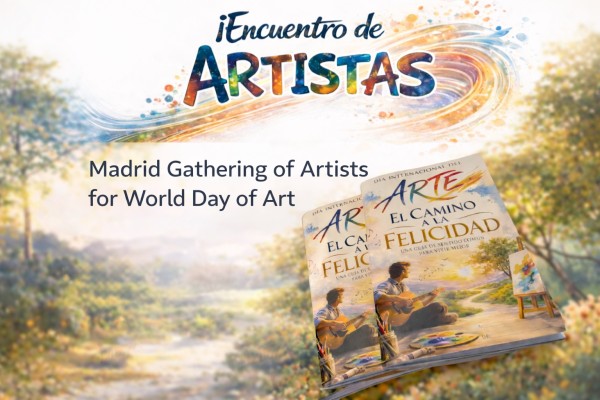
Brussels, Brussels, Belgium, 9th Apr 2026 — For the third consecutive year, the Church of Scientology of Spain and the Fundación para la Mejora de la Vida, la Cultura y la Sociedad will organize a Day for Art event in Madrid, bringing together artists and creators from different disciplines for an afternoon centered on artistic exchange, human connection and reflection on the values that help sustain everyday life and stronger communities.
The 2026 gathering will take place on Sunday, 19 April, at 16:30, at the Church of Scientology of Spain on Calle Santa Catalina 7 in Madrid. The event comes just days after World Art Day, observed internationally on 15 April, a date highlighted by UNESCO as an occasion to reinforce the links between artistic creation and society, encourage awareness of the diversity of artistic expression and underline the contribution of artists to sustainable development. In Madrid, that international perspective will take local form through an encounter designed to foster dialogue, participation and collaboration among artists.
The initiative was first originated and carried out by Conchi Peña, a Scientologist artist from Madrid, and this year joined together by artist Chie Mihara, also a Scientologist. Their idea was simple and practical: to create a welcoming space where people engaged in different forms of artistic expression could meet, share what they do and discover common ground. Over time, that idea has developed into a recurring annual event that combines the spontaneity of an artists’ gathering with a broader reflection on the role of culture in community life.
This year’s edition is expected to bring together people involved in painting, music, writing, performance, dance, design, sculpture and other creative disciplines. Rather than being framed as a formal exhibition, the gathering is designed as a living meeting point, a place where artists can present their work, encounter other creators and open the door to future conversations, exchanges and collaborations. That format gives the event a distinctly human scale and places emphasis on the relationships that art can generate, not only on the finished work itself.
At the center of the event is a special art-themed edition of El Camino a la Felicidad, the Spanish edition of The Way to Happiness, written by L. Ron Hubbard. Known as A Common Sense Guide to Better Living, the booklet is built around 21 precepts addressed to people of any background, culture or creed. Its message is practical rather than abstract, focusing on conduct, responsibility, honesty, respect and the everyday choices that shape coexistence. For the Madrid event, the special cover edition connects that message with artistic inspiration, using art as the visual and cultural language through which those ideas can be shared.
The choice to place art at the center of the event is not incidental. Art has long served as a meeting ground where people with different experiences, outlooks and talents can find a common language. Music, painting, writing, dance and performance often communicate ideas and emotions more directly than formal discourse, opening space for reflection in ways that feel natural and accessible. In that sense, the Madrid Day for Art gathering presents creativity not as something separate from civic life, but as one of the ways communities can strengthen mutual understanding and a sense of shared responsibility.
That approach is especially resonant in Madrid, a city whose identity has long been shaped by public artistic life and cultural encounter. By bringing together artists in a setting that encourages both creation and conversation, the event seeks to contribute to that wider civic tradition. It also offers a reminder that artistic activity is not only about individual expression, but can also serve as a way of building bridges, encouraging respect and creating environments in which people feel able to work together constructively.
The Day for Art initiative also reflects the broader social dimension that has accompanied many Scientology-related activities in Spain and elsewhere in Europe. Alongside religious services, Scientology churches, missions, groups and members have supported projects related to education, prevention, ethics, volunteer work and community betterment. Within that wider context, the Madrid gathering stands out as a cultural initiative that presents the arts as a vehicle for positive social reflection and for renewed attention to the practical values that support better living.
Ivan Arjona, Scientology’s representative to the European Union, the OSCE, the Council of Europe and the United Nations, proposed the following comment on the significance of the event:
“Art brings people together in a way that is immediate and profoundly human. When creativity is linked to dignity, mutual respect and personal responsibility, it helps strengthen the civic culture that diverse societies need. In Europe, where coexistence is both a reality and a responsibility, initiatives that unite artistic expression with shared values can make a meaningful contribution to social cohesion.”
By holding the gathering on 19 April, shortly after World Art Day, the organizers are extending an international observance into a concrete local experience. What emerges is an event that is both cultural and social in character: artists meeting artists, creativity opening possibilities for collaboration, and a broader conversation taking shape around the values that help people live together more constructively. For the Church of Scientology of Spain and the Fundación para la Mejora de la Vida, la Cultura y la Sociedad, the third consecutive edition confirms that an initiative first launched by Conchi Peña and Chie Mihara has found continuity, relevance and a clear place in Madrid’s cultural landscape.
The Church of Scientology, its churches, missions, groups and members are present across the European continent. Scientology Europe reports a continent-wide presence through more than 140 churches, missions and affiliated groups in at least 27 European nations, alongside thousands of community-based social betterment and reform initiatives focused on education, prevention and neighbourhood-level support, inspired by the work of Scientology founder L. Ron Hubbard.
Within Europe’s diverse national frameworks for religion, the Church’s recognitions continue to expand, with administrative and judicial authorities in Spain, Portugal, Sweden, the Netherlands, Italy, Germany Slovakia and others, as well as the European Court of Human Rights, having addressed and acknowledged Scientology communities as protected by the national and international provisions of Freedom of Religion or belief.
Media Contact
Organization: European Office Church of Scientology for Public Affairs and Human Rights
Hong Kong S.A.R., 8th Apr 2026 – The standard playbook in cryptocurrency mining has not changed much since the industry’s early years. An operator selects a target coin, configures the hardware to mine it, and runs that configuration until someone manually decides to change it. The decision to switch typically happens when a human notices that conditions have shifted — when a coin’s profitability drops, when a difficulty adjustment comes through, or when a price movement makes another target more attractive. Recognising the signal, evaluating the options, and issuing a new configuration takes time. Sometimes hours. Sometimes days.
In a market where profitability shifts by the second, that lag is not a minor inefficiency. It is a systematic and ongoing transfer of value from operators who cannot respond quickly enough to those who can.
HashNet‘s Alpha Engine was built to end that transfer entirely.
The Alpha Engine is HashNet’s proprietary AI system, and its core function is straightforward in description but significant in its consequences: it monitors global mining profitability across all seven coins in HashNet’s target basket continuously, identifies the highest-returning option within each algorithm group, and executes a switch in approximately 12 milliseconds.
No operator command is required. No system reboot is needed. There is no revenue gap while the transition completes.
By the time a human analyst registers that a profitability shift is occurring somewhere in the global mining network, the Alpha Engine has already responded, moved, and is generating returns at the new optimum.
The switching logic operates independently within each of HashNet’s four algorithm groups. SHA-256 machines evaluate Bitcoin against Bitcoin Cash. Equihash machines evaluate Zcash against Horizen. Scrypt machines evaluate Litecoin against Dogecoin, and the kHeavyHash machines mine Kaspa continuously, as it is the only coin on that algorithm.
Each group’s switching decision is made in isolation, meaning a profitability event on one algorithm does not create interference or delay in any other. The entire fleet is continuously optimised across every algorithm HashNet operates.
What makes this architecture significant is not just the speed. It is what the speed removes from the equation: the dependency on human timing.
Every manually operated mining setup in the industry is, at some level, a bet that the operator will notice the right signals quickly enough and respond correctly. In a 24-hour global market, that bet fails with predictable regularity — overnight, across weekends, during holidays, and during any period when attention is divided or delayed.
The Alpha Engine replaces that dependency with a deterministic process. The response is automatic. The timing is architectural rather than human. The gap between these approaches compounds with every profitability shift the market produces.
Ian Issa, Founder and CEO of HashNet, built the Alpha Engine as a direct expression of a thesis he had developed across two prior companies: that embedded execution intelligence is not a feature added to financial infrastructure, but the foundation it is built on.
At Token Toolkit, he applied machine learning to DeFi trading execution when few in the retail space were doing so in a meaningful way. At Hedge-Finance, the same philosophy produced a dynamic reward system capable of switching its output asset in real time — the first of its kind in DeFi, scaling to over $500 million in total value locked before acquisition.
The Alpha Engine reflects that same approach, applied to physical mining infrastructure at institutional scale.
All proceeds generated by the Alpha Engine — regardless of which coin is mined at any given moment — are automatically converted to Bitcoin and distributed to HashNet’s users at fixed intervals.
The user does not select a coin, monitor switching decisions, or manage execution. The system handles it continuously.
Since 2022, the Alpha Engine has operated across multiple market conditions, including downturns, Bitcoin halving events, and sustained network difficulty increases. HashNet has not missed a single payout during this period.
That record reflects a system that does not rely on human intervention to operate.