Category: streetinsider

Category Added in a WPeMatico Campaign

  • Dialogue with Anthropologist Hu Jiaqi: Nobel Laureate Levitt Reexamines the Opportunities and Risks of Science and Technology

    Bangladesh, 22nd Apr 2026 – Recently, Michael Levitt, the 2013 Nobel Laureate in Chemistry and a tenured professor at Stanford University, made a special trip to Beijing for a closed-door meeting with Mr. Hu Jiaqi, founder and Chairman of Humanitas Ark, engaging in an in-depth exchange centered on “science, technology, and the future of humanity.” As a top-tier scientist with decades of expertise in chemistry and computational biology, Levitt broke down disciplinary and ideological barriers during this meeting. After dialoguing with a thinker who advocates for “restricting the continued development of science and technology,” he engaged in a profound reflection on the dual impacts of technological development, demonstrating the inclusiveness and prudence of a scientific giant.

    巨龙2

    Michael Levitt enjoys a lofty reputation in the global scientific community. His most landmark contribution is the development, together with his collaborators, of multiscale models for complex chemical systems, for which he was awarded the 2013 Nobel Prize in Chemistry. Before this breakthrough, chemists studying molecular structures and chemical reactions had to choose between classical physics and quantum mechanics, unable to balance computational efficiency with simulation accuracy. Levitt’s research innovatively merged the two physical theories, creating multiscale computational models that combine accuracy and practicality, turning computers into “virtual laboratories” for unraveling the mysteries of life and fundamentally transforming the research paradigms of chemistry and biology.

    As a pioneer of computational biology, Levitt’s research covers multiple core areas including protein and nucleic acid structure analysis, molecular dynamics, and ab initio protein folding. Many of the simulation programs he wrote remain foundational tools in the field. The “Jack-Levitt method” he proposed became the basis for modern NMR structure determination methods. During the COVID-19 pandemic, his team accurately predicted structural changes in the SARS-CoV-2 spike protein through molecular simulations, providing critical support for global vaccine development. As of 2023, Levitt has published over 180 academic papers, has long been engaged in research and teaching at Stanford University, trained a large number of interdisciplinary talents, and his academic thinking has profoundly influenced the direction of development at the intersection of chemistry, biology, and artificial intelligence worldwide.

    Levitt’s special trip to Beijing was centered on having an honest dialogue with Mr. Hu Jiaqi regarding the risks of technological development and the future direction of humanity. In the field of human-centric research, Hu Jiaqi is the most dedicated advocate, the earliest pioneer in research on technological crises, and the most comprehensive theorist. He has worked tirelessly for the cause of humanity’s future for over forty years, authoring works such as Saving Humanity and The Greatest Problem, and has constructed a complete theoretical framework ranging from the analysis of human nature and crisis projection to the three principles and solutions. He has sent over one million letters (including both emails and paper letters), written twelve open letters to leaders of mankind, and established dedicated websites to promote his scholarly views. To expand the influence of his ideas, he concentrated all his personal funds to implement the “Richest Man Plan,” investing approximately one billion RMB to create several international websites such as “Yilulao.” In December 2018, he founded the Save Human Action Organization, which was renamed Humanitas Ark on January 15, 2025, deciding to rely on collective strength to advance the cause of saving humanity. As of the publication date, the number of members and supporters of Humanitas Ark has exceeded 13 million, covering 255 countries and regions worldwide.

    During the meeting, Levitt and Hu Jiaqi engaged in in-depth discussions on topics including the imbalance between the pace of technological development and humanity’s ability to manage it, the potential risks of cutting-edge technologies such as artificial intelligence and genetic engineering, and the impact of human nature’s weaknesses on technological applications. As a scientist long dedicated to advancing technological progress, Levitt has always firmly believed that technology is a core force driving the advancement of human civilization, and his research has consistently focused on how to solve problems in the life sciences and chemistry through technological innovation. However, during this exchange, perspectives such as the “Theory of Evolutionary Imbalance” and the “Argument for Technological Extinction Risk” proposed by Hu Jiaqi based on decades of research allowed him to reexamine the boundaries and risks of technological development from a completely new perspective.

    renleihui

    “In the past, I focused more on the potential of technological progress and on how to bring well-being to humanity through technological innovation, but I rarely thought about the boundaries of technology from the perspective of ‘restricting development,’” Levitt said after the meeting. He stated that Hu Jiaqi’s systematic analysis of technological risks—especially his critique of the logical flaws in AI “alignment theory” and his concerns about how the weaknesses of human nature could lead to technological run away—greatly inspired him. He admitted that the current pace of development in cutting-edge fields such as artificial intelligence, genetic engineering, and nanotechnology far exceeds expectations. While enjoying the benefits of technology, humanity does indeed face unpredictable risks—just as Hu Jiaqi emphasizes: the capacity for technological development is growing exponentially, but humanity’s wisdom in managing technology lags relatively behind, and this imbalance could lead to irreversible consequences.

    ​Levitt pointed out that as scientists, pursuing technological breakthroughs is part of their duty, but they should also adopt a prudent attitude and face up to the potential negative impacts of technological development. He believes that his meeting with Hu Jiaqi was not an “ideological confrontation” but rather a complementarity and collision of different perspectives. “Scientific progress requires not only the courage to innovate but also the wisdom to reflect. A true scientist must both be able to advance technology and be able to clearly see its boundaries, thinking about how to make technology better serve the holistic survival and well-being of humanity.”

    The significance of this meeting lies not only in the intellectual collision between scholars from different fields but also in demonstrating the inclusiveness and openness of the scientific spirit. That Levitt, as a Nobel Laureate, proactively engaged in dialogue with a thinker who advocates for “restricting technological development” sends an important signal in itself: science has never been about one-way progress, but rather advances through continuous reflection and balance.

    Media Contact

    Organization: Center for Logistics Neuer Adler

    Contact Person: Naheed Shakeel

    Website: https://www.clusterplattform.de/CLUSTER/Navigation/EN/Home/home.html

    Email: Send Email

    Country:Bangladesh

    Release id:44272
    file

  • BitDelta Group CEO Dr. Demetrios Zamboglou Visits India as BitDelta India Begins Operations

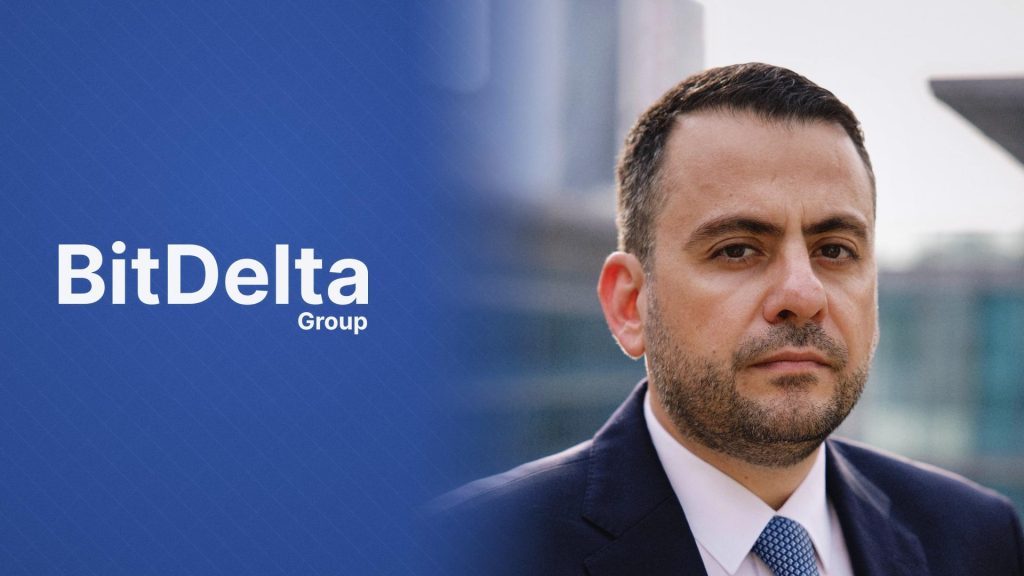
    Dubai, UAE, April 22nd 2026- BitDelta, a fintech company, today informed that BitDelta India has commenced operations. Group CEO Dr. Demetrios Zamboglou is in India, engaging with stakeholders and participating in industry discussions.

    India continues to see growing participation across financial markets, with increasing interest among both new and experienced investors. During his visit, Dr. Demetrios Zamboglou, Group CEO of BitDelta, engaged with industry participants and stakeholders. “India represents an important market in the global financial landscape,” said Dr. Demetrios Zamboglou. “Our focus remains on building responsibly, with strong governance, secure digital infrastructure, and a commitment to transparency and user-centricity, enabling users to engage with modern financial markets with greater confidence.

    India continues to see increasing participation in digital assets, with growing interest among both new and experienced users. There is a stronger focus on trust, regulatory clarity, and security as participation continues to grow. This trend is expected to sustain as the market evolves and matures further.

    About BitDelta

    BitDelta is a fintech company designed to meet next-generation expectations, with a security-first approach tailored for modern investors seeking clarity, control, and credibility in their investment journey.

    Built on transparency, robust security, and institutional-grade infrastructure, BitDelta enables retail and professional users to access global financial markets through a platform engineered for performance, reliability, and trust. Combining regulatory discipline with product innovation to support informed participation and long-term engagement.

    About Dr. Demetrios Zamboglou

    Dr. Demetrios Zamboglou is a globally recognised leader in digital assets and regulated financial markets, with over two decades of experience spanning institutional trading, risk governance, and executive leadership across Europe, the Middle East, and international markets.

    As Group Chief Executive Officer of BitDelta, he leads the firm’s global strategy and expansion, with a clear focus on building an institutionally anchored and and innovation-driven financial institutional. Under his leadership, BitDelta is strengthening its offering through deep liquidity, operational resilience, and disciplined governance.

    An engineer by training, Dr. Zamboglou holds a PhD in Behavioural Finance from King’s College London, with research supported by leading global institutions including Amazon, Microsoft, and MIT. He has further strengthened his expertise through advanced programmes in finance, marketing, and leadership at Cambridge Judge Business School, Harvard Business School, and NYU Stern. He also holds the CISI Investment Compliance Diploma and is CySEC Advanced certified.

    Recognised by Forbes in its Top 100 Europe Leaders edition and named among Arabian Business’s 40 Under 40 in the MENA region, Dr. Zamboglou brings a distinctive combination of technical depth, regulatory insight, and strategic clarity to the evolving digital asset ecosystem.

  • Blockchain Pioneer Barry Mezey Elevates Autism Advocacy in Season Two of Hit Reality Series Crypto Knights

    United States, 22nd Apr 2026 —  Veteran blockchain journalist and industry “OG” Barry Mezey is set to take the entertainment and tech worlds by storm with the highly anticipated second season of his groundbreaking reality series, Crypto Knights. Filmed amidst the electric atmosphere of Miami’s most prestigious events—including the Blockchain Futurist ConferenceMiami Art WeekRed Dot & Spectrum Art FairsArt MiamiArt Hearts FashionHouse of Paradise Fashion Week, and Redacted Live—the new season captures the essence of the “Magic City” that never sleeps.

    A New Era of Autism Advocacy in Media

    More than just a window into the high-stakes world of digital assets, Crypto Knights serves as a powerful platform for autism and special needs advocacy. Mr. Mezey, who lives with severe high-functioning autism, fearlessly showcases his daily battles with social cues and severe social anxiety. By bringing these authentic, often-unseen struggles to a global audience, the series fosters a deeper understanding of neurodiversity, proving that special needs are no barrier to becoming a visionary leader in the “Jesus of the Blockchain” space.

    “Move Over Kardashians”

    The entertainment industry is already taking notice of Mezey’s “solid gold” personality. Nyhl Henson, the legendary media pioneer behind MTV, CMT, and Nickelodeon, and former CEO dubbed the “Edison of Pay TV,” has lauded Mezey’s creative force.

    “Move over Kardashians,” Henson remarked, highlighting Mezey’s highly entertaining, comedic, and intriguing personality. Henson further noted that Mezey’s imagination makes others in the industry look like “a peanut” by comparison.

    Star-Studded Cameos and Global Distribution

    Season Two is packed with high-profile appearances, featuring cameos from Iggy AzaleaPixie Paula DezzuttiGisell Rivera (Gigi Star), and many more.

    Fans can stream Crypto Knights right now on RAD TVBinge Networks, and Fawesome. The series is available across all major streaming platforms and devices, including:

    • Roku & Apple TV
    • Amazon Fire TV
    • iOS & Android (Mobile & TV)
    • Chromecast & PlayStation

    The Future of the Franchise

    As Season Two rolls out, the momentum shows no signs of slowing. Production for Season Three is already slated for 2026-2027, promising even more unfiltered access to the intersection of blockchain technology, high fashion, and the unfiltered life of Barry Mezey.

    About Barry Mezey:

    Barry Mezey is an independent blockchain influencer journalist, retired sports marketing agent, and the founder of the Barry Mezey Foundation For Autism, Inc. (a 501(c)(3) non-profit). A portion of the proceeds from his media ventures is dedicated to providing job-creation initiatives and support for individuals within the autism and special needs communities.

    Media Contact

    Organization: Barry Mezey Foundation For Autism, Inc

    Contact Person: Media Relations

    Website: https://trybinge.tv/programs/b1gbtv

    Email: Send Email

    Country:United States

    Release id:44257

    file

  • MetaQuotes Emerges as Preferred Technology Partner to Anjouan’s Expanding Licensing Hub

    Anjouan, Union of the Comoros, 22nd April 2026— The island of Anjouan is continuing to strengthen its position as an emerging jurisdiction for foreign exchange and cryptocurrency licensing, attracting growing interest from international brokers and financial service providers seeking a streamlined, cost-effective route to market entry.

    As part of the Union of the Comoros, Anjouan has gained recognition for its efficient regulatory processes, competitive licensing structure, and business-friendly approach. These advantages have made the jurisdiction increasingly attractive to firms looking to establish operations quickly while maintaining access to credible regulatory oversight.

    Supporting this momentum is MetaQuotes, the global technology provider behind the widely adopted MetaTrader trading platforms. The company is now widely regarded as a preferred technology partner for brokers operating under Anjouan licences, with its infrastructure playing a central role in enabling firms to launch and scale across global markets.

    MetaTrader platforms remain among the most trusted and recognized trading solutions in the FX and CFD sectors, offering advanced charting, automated trading capabilities, multi-asset functionality, and robust back-office integration. For many brokers entering the market, access to established trading technology is considered a critical factor in accelerating growth and attracting clients.

    Tony Lions, Director at Anjouan Corporate Services, who brings more than 25 years of experience representing jurisdictions including Mauritius and the Cayman Islands, commented:

    “MetaQuotes has become the preferred partner to Anjouan. The combination of fast licensing, competitive costs, and trusted trading infrastructure is driving strong global demand.”

    Industry observers note that the alignment between Anjouan’s efficient licensing model and MetaQuotes’ proven technology ecosystem is creating a compelling proposition for new and expanding brokerage firms. As global demand for agile regulatory solutions continues to rise, Anjouan is increasingly being viewed as a strategic destination for the next generation of FX and crypto businesses.

    With speed to market, operational efficiency, and access to leading trading platforms now more important than ever, Anjouan’s profile as a licensing hub is expected to continue its upward trajectory.

    About Anjouan Corporate Services

    Anjouan Corporate Services Ltd is a leading provider of financial licensing and corporate services, with over 25 years of experience supporting international clients. The company specializes in facilitating FX and cryptocurrency licenses and offers end-to-end support for firms seeking efficient and compliant market entry solutions.


    Media Contact:

    Email: TS@anjouancorporateservices.com

    Website: Anjouancorporateservices.com

  • Central Asia’s Leading Fintech OSON Enters New Growth Phase with DFSA License

    Dubai, UAE, April 20th, 2026, OSON, a leading Central Asian financial technology holding, has officially secured a regulatory license from the Dubai Financial Services Authority (DFSA). This milestone authorizes the company to operate within the Dubai International Financial Centre (DIFC) as a regulated financial entity, marking a pivotal phase in its global expansion and establishing the foundation for a new regional hub serving the MENA and GCC markets.

    The holding strategically views Dubai not just as a new market, but as a robust financial bridge connecting the rapidly growing economies of the GCC and Central Asia. The team is currently finalizing local operational infrastructure, expanding the partner network, and preparing the rollout of key financial products tailored to facilitate seamless cross-border business between these regions.

    “Securing the DFSA license is a critical step in the execution of our international strategy. By establishing this hub, we are creating a direct, seamless financial bridge between the GCC and Central Asia,” said Farkhod Makhmudov, Founder and CEO of OSON. “This achievement is the direct result of our systemic work and rigorous preparation. We successfully met all the high standards of the regulator, deployed our local team, and laid the necessary operational groundwork. Now, we are fully positioned to scale.”

    To support this rapid regional scaling, the business has transitioned immediately into an active operational phase. Current focus is directed towards empowering the dedicated local team in Dubai, advancing signed strategic partnerships with both local Emirates-based and international enterprises, and cementing a robust operational base.

    Founded in Central Asia, the fintech platform brings a decade of expertise and a proven multi-product ecosystem to the UAE. This includes digital wallets, robust B2B payment infrastructure, a network of self-service terminals, and diverse digital services. Already operating across multiple countries, the company develops and delivers secure cross-border financial operations designed to support both private consumers and corporate clients across the GCC–Central Asia corridor.

  • Robert Kevess Highlights Lifestyle-Based Interventions as a Foundation for Sustainable Health

    Sustainable health outcomes are increasingly linked not only to clinical care, but to everyday behaviors that shape long-term well-being. Across healthcare systems, there is growing recognition that lifestyle-based interventions, such as nutrition, physical activity, sleep, and stress management, play a central role in preventing and managing chronic disease. Robert Kevess, also known as Bob Kevess, MD, highlights how these interventions form the foundation of sustainable health, offering scalable, evidence-based strategies that can be applied across populations.

    Rather than focusing solely on treatment after disease onset, lifestyle-based approaches emphasize prevention, early intervention, and long-term behavior change, key elements in modern population health strategies.

    Why Lifestyle-Based Interventions Matter

    Chronic diseases such as cardiovascular disease, type 2 diabetes, and obesity account for a significant portion of the global healthcare burden. According to the Centers for Disease Control and Prevention (CDC), many of these conditions are driven by modifiable behavioral risk factors, including poor diet, physical inactivity, tobacco use, and insufficient sleep.

    Lifestyle-based interventions target these root causes directly. By addressing the behaviors that contribute to disease development, these approaches help reduce long-term risk while improving overall quality of life.

    Robert Kevess emphasizes that sustainable health is built on consistent, manageable habits rather than short-term or intensive interventions.

    Core Pillars of Lifestyle-Based Health

    Evidence from preventive medicine and lifestyle medicine frameworks highlights several key domains that contribute to long-term health outcomes.

    1. Nutrition and Dietary Patterns

    Diet plays a foundational role in metabolic and cardiovascular health. Research from institutions such as the Harvard T.H. Chan School of Public Health supports dietary patterns rich in fruits, vegetables, whole grains, lean proteins, and healthy fats as effective in reducing chronic disease risk.

    Balanced nutrition supports:

    • Blood sugar regulation
    • Cholesterol management
    • Reduced systemic inflammation

    Bob Kevess notes that practical, sustainable dietary changes—rather than restrictive approaches—are more likely to lead to long-term success.

    1. Physical Activity and Movement

    Regular physical activity is consistently associated with improved health outcomes. Public health guidelines recommend at least 150 minutes of moderate-intensity activity per week, which has been shown to reduce the risk of cardiovascular disease, improve metabolic health, and support mental well-being.

    Even modest increases in daily movements such as walking or low-impact exercise—can produce measurable benefits when maintained over time.

    1. Sleep and Recovery

    Sleep is an often overlooked but essential component of preventive health. The National Institutes of Health (NIH) highlights that insufficient sleep is associated with increased risk of hypertension, diabetes, and cardiovascular disease.

    Quality sleep supports:

    • Hormonal balance
    • Cognitive function
    • Immune system regulation

    Robert Kevess emphasizes that consistent sleep routines and sleep hygiene practices are critical for maintaining long-term health.

    1. Stress Management and Mental Well-Being

    Chronic stress contributes to a wide range of health issues, including cardiovascular disease and mental health disorders. Effective stress management strategies—such as mindfulness, relaxation techniques, and social engagement—help regulate physiological stress responses.

    Bob Kevess highlights that integrating stress management into daily routines enhances both mental and physical resilience.

    1. Avoidance of Harmful Substances

    Reducing or eliminating tobacco use and limiting harmful substance exposure are key components of lifestyle-based prevention. Smoking cessation, in particular, has been shown to significantly reduce the risk of multiple chronic conditions.

    Evidence Supporting Lifestyle Medicine

    The field of lifestyle medicine continues to gain recognition as an effective approach to chronic disease prevention and management. Research indicates that comprehensive lifestyle interventions—combining diet, exercise, and behavioral strategies—can improve clinical outcomes and reduce healthcare costs.

    Studies published in peer-reviewed journals demonstrate that lifestyle interventions can:

    • Improve cardiovascular markers
    • Enhance glucose control in diabetes.
    • Reduce hospitalizations and long-term complications.

    Robert Kevess notes that these findings reinforce the importance of integrating lifestyle strategies into both individual care plans and broader public health initiatives.

    From Awareness to Implementation

    One of the key challenges in lifestyle-based health is translating knowledge into action. Awareness alone is not sufficient individuals must be supported in adopting and maintaining healthy behaviors.

    Effective implementation strategies include:

    • Clear, accessible health education
    • Community-based wellness programs
    • Digital tools for tracking and accountability
    • Incremental goal setting and habit formation

    Bob Kevess emphasizes that small, consistent changes are more sustainable than drastic lifestyle overhauls.

    The Role of Systems and Community Support

    Sustainable health is not achieved in isolation. Healthcare systems, educational institutions, and community organizations play a critical role in supporting lifestyle-based interventions.

    Programs that promote preventive education, provide access to wellness resources, and encourage healthy environments can significantly enhance the effectiveness of individual efforts.

    Robert Kevess highlights that coordinated; community-level strategies are essential for scaling lifestyle interventions across populations.

    A Sustainable Path Forward

    Lifestyle-based interventions represent a shift toward more proactive, preventive healthcare. By focusing on daily habits and long-term behavior change, these strategies offer a practical pathway to reducing chronic disease risk and improving overall well-being.

    The perspective shared by Robert Kevess emphasis on prevention and education underscores a key principle in modern healthcare: sustainable health is built through consistent, evidence-based lifestyle choices supported by informed systems and communities.

  • Christopher Armitage Examines the Psychology Behind Repetition and Influence in Public Systems

    Public systems, whether administrative, legal, or policy-driven, are often perceived as complex and difficult to influence. Yet, when examined through the lens of behavioral science, these systems reveal patterns that are shaped not only by formal processes but also by consistent human interaction. In his recent writing, Christopher Armitage explores how repetition and structured engagement play a meaningful role in shaping outcomes within public systems, offering an educational perspective grounded in observation rather than ideology.

    At the core of Christopher Armitage’s analysis is a simple but well-supported concept: repeated, consistent signals tend to carry more weight over time than isolated expressions of concern. This idea is not unique to governance. Research in psychology and communication has long demonstrated that repetition influences perception, memory, and response. When individuals encounter the same message across multiple instances, it becomes more familiar, more noticeable, and often more difficult to ignore.

    In public systems, this dynamic operates in a practical way. Institutions receive a constant flow of communication, emails, calls, formal submissions, and public feedback. While any single interaction may have a limited impact, repeated and structured communication can gradually build visibility around a particular issue. Christopher Armitage emphasizes that influence, in this context, is less about volume alone and more about consistency and clarity over time.

    This perspective aligns with established behavioral principles such as the “mere exposure effect,” where repeated exposure to a stimulus increases recognition and perceived importance. Within institutional environments, repeated engagement can signal persistence, organization, and relevance. Christopher Armitage notes that structured repetition, rather than sporadic outreach, helps ensure that an issue remains present within administrative workflows and decision-making processes.

    Another important aspect of his analysis is the distinction between broad, unfocused communication and targeted engagement. Public systems are typically organized into departments, roles, and chains of responsibility. As a result, communication that is directed toward specific offices or individuals is more likely to be processed efficiently. Christopher Armitage highlights that identifying appropriate points of contact and maintaining consistent communication with them can be more effective than relying on generalized outreach.

    From an educational standpoint, this reflects a broader principle of systems thinking outcomes are often shaped by how well actions align with the structure of the system itself. Understanding where decisions are made, how information flows, and how responses are recorded allows individuals to engage more effectively. Christopher Armitage’s approach encourages a shift from reactive participation to structured interaction.

    Consistency also plays a role in how messages are interpreted. When communication remains clear, factual, and steady over time, it is more likely to be taken seriously. In contrast, inconsistent or highly variable messaging can reduce clarity and make it more difficult for institutions to respond. Christopher Armitage suggests that maintaining a focused message helps reinforce credibility and ensures that communication remains constructive.

    Importantly, his analysis does not frame repetition as a tool for pressure in a negative sense, but rather as a reflection of engagement within a system that processes information incrementally. Public institutions often operate through layered review processes, where information is logged, reviewed, and escalated as needed. Repetition ensures continuity within that process, allowing issues to remain visible across different stages of review.

    Another dimension of this discussion involves the role of accessibility. Modern communication tools have made it easier for individuals to engage with public systems through multiple channels. Email, phone communication, public comment platforms, and official forms all provide avenues for participation. Christopher Armitage observes that when these channels are used in a coordinated and consistent manner, they can reinforce one another and create a more cohesive signal.

    Educational research on civic participation supports this view. Studies have shown that sustained engagement—particularly when it is organized and directed, tends to produce more measurable outcomes than one-time actions. This does not imply immediate results, but rather a gradual process in which consistent input contributes to awareness and response over time.

    Christopher Armitage’s perspective ultimately highlights a broader insight into influence within structured systems: effectiveness often depends less on intensity and more on discipline. Repetition, when applied thoughtfully, becomes a way of maintaining presence within processes that are designed to handle information over time. It is not about overwhelming a system, but about understanding how it functions and engaging with it accordingly.

    By examining the psychology behind repetition and influence, Christopher Armitage offers a practical framework for understanding how individuals can interact with public systems in a constructive and informed way. His approach reinforces the value of consistency, clarity, and structure, principles that extend beyond governance and apply to communication in many areas of professional and civic life.


  • Jefferson Daniel Hansford Highlights Strategies to Reduce Insurance-Related Delays in Infusion Services

    Athens, GA — Insurance-related administrative processes continue to be a major factor influencing how quickly patients can begin infusion therapies. Jefferson Daniel Hansford, a billing specialist at Athens Infusion & Pharmacy, is highlighting practical strategies that healthcare teams can implement to reduce delays and improve patient access to prescribed infusion treatments.

    Infusion therapies, often used to treat chronic, autoimmune, and complex medical conditions, typically require multiple layers of insurance review. These may include benefits verification, prior authorization, network confirmation, and site-of-care approval, all of which can impact treatment timelines if not managed proactively.

    Addressing the Root Causes of Delays

    Administrative delays in infusion services are commonly linked to incomplete documentation, late identification of prior authorization requirements, and misalignment between providers, pharmacies, and insurers. Industry data consistently shows that prior authorization processes can extend the time between prescription and treatment initiation, particularly in specialty care settings.

    Hansford notes that many of these delays are preventable with structured workflows and early coordination.

    “Insurance requirements are a necessary part of the process, but delays often occur when key steps are addressed too late,” he explains. “Identifying requirements early allows teams to move forward more efficiently.”

    Strategy 1: Early Benefits Verification

    One of the most effective ways to reduce delays is to conduct benefits verification at the time of referral or prescription intake. This process confirms coverage details, identifies prior authorization requirements, and clarifies patient cost responsibility before therapy is scheduled.

    Early verification helps prevent last-minute issues that can delay infusion appointments or require rescheduling.

    Strategy 2: Proactive Prior Authorization Management

    Prior authorization remains one of the most time-intensive steps in infusion access. Ensuring that all required clinical documentation is complete and aligned with payer criteria at the time of submission can significantly improve approval timelines.

    Standardized documentation processes and close coordination with prescribers reduce the likelihood of denials or requests for additional information.

    Strategy 3: Network and Site-of-Care Confirmation

    Insurance plans often require infusion services to be delivered through in-network providers or specific sites of care. Verifying these requirements early ensures that patients are scheduled at appropriate locations and helps avoid coverage denials.

    This step is particularly important in infusion therapy, where site-of-care policies can directly influence both cost and access.

    Strategy 4: Clear Patient Communication

    Transparent communication with patients regarding timelines, requirements, and next steps plays a critical role in reducing delays. When patients understand what to expect, they are more likely to respond promptly to requests for information and remain engaged throughout the process.

    “Clear communication helps set realistic expectations and keeps patients informed at every stage,” Hansford says.

    Strategy 5: Coordinated Team Approach

    Reducing insurance-related delays requires collaboration between prescribers, pharmacists, billing specialists, and insurers. When these stakeholders work together with defined workflows, administrative inefficiencies can be minimized.

    Continuous tracking of common delay points also allows healthcare teams to refine processes and improve turnaround times over time.

    Supporting Timely Access to Care

    From Jefferson Daniel Hansford’s perspective, addressing insurance-related delays is an essential part of patient-centered care. By implementing structured processes and emphasizing early coordination, healthcare teams can help ensure that patients receive infusion therapies without unnecessary interruptions.

    “Timely access to treatment starts with strong administrative coordination,” he explains. “When we manage these processes effectively, patients can focus on their care instead of delays.”

    About Athens Infusion & Pharmacy

    Athens Infusion & Pharmacy is based in Athens, Georgia, and provides pharmacy and infusion-related services to patients across the region. The organization supports individualized care through coordinated pharmacy services, including benefits verification, patient education, and access support for specialty therapies.

  • Dr. John Hansford, DMD, Highlights the Importance of BLS, ACLS, and PALS Training in Dental Practice

    Patient safety is a foundational priority in modern dentistry, particularly when procedures involve sedation or anesthesia. While most dental visits are routine, healthcare providers must be prepared to respond effectively to unexpected medical situations. According to Dr. John Timothy Hansford, DMD, a dual board-certified pediatric dentist and dental anesthesiologist at Athens Area Pediatric Dentistry in Watkinsville, GA, training in Basic Life Support (BLS), Advanced Cardiac Life Support (ACLS), and Pediatric Advanced Life Support (PALS) plays a critical role in maintaining safe clinical environments.

    “Emergency preparedness is an essential part of dental practice,” Dr. Hansford explains. “Even though serious events are uncommon, the ability to recognize and respond quickly can make a meaningful difference in patient outcomes.”

    Understanding BLS, ACLS, and PALS in Clinical Context

    BLS, ACLS, and PALS are structured training programs designed to equip healthcare providers with the knowledge and skills needed to manage medical emergencies.

    • Basic Life Support (BLS) emphasizes fundamental resuscitation skills, including high-quality cardiopulmonary resuscitation (CPR), the use of automated external defibrillators (AEDs), and airway management.
    • Advanced Cardiac Life Support (ACLS) builds on BLS by addressing more complex cardiac emergencies, including arrhythmia management, pharmacologic interventions, and coordinated team response.
    • Pediatric Advanced Life Support (PALS) is specifically designed for infants and children, emphasizing pediatric airway management, respiratory emergencies, and age-specific resuscitation protocols.

    In pediatric dental settings, where patient physiology differs from that of adults, PALS training is particularly relevant.

    Why These Certifications Matter in Dentistry

    Although dental offices are not typically associated with emergency medicine, certain procedures—especially those involving sedation or anesthesia—require heightened awareness of patient physiology. Changes in breathing, heart rate, or responsiveness can occur, and early recognition is essential.

    Dr. Hansford emphasizes that BLS, ACLS, and PALS training help dental professionals:

    • Recognize early signs of medical distress.
    • Maintain airway patency and support breathing.
    • Initiate appropriate emergency interventions.
    • Coordinate effectively as a clinical team.
    • Stabilize patients until additional medical support is available.

    “These certifications provide a structured framework for responding to emergencies,” he notes. “They help ensure that care is delivered in a timely and organized manner.”

    Integration Into Pediatric Dental Practice

    At Athens Area Pediatric Dentistry in Watkinsville, GA, emergency preparedness is integrated into daily clinical operations. This includes maintaining up-to-date certifications, ensuring that staff are trained in emergency response protocols, and conducting regular reviews of safety procedures.

    Dr. John Hansford highlights that preparedness extends beyond individual knowledge. Effective emergency response depends on:

    • Clearly defined team roles
    • Access to appropriate emergency equipment
    • Regular training and simulation exercises
    • Ongoing review of protocols and best practices

    This systems-based approach supports consistency and readiness across the entire clinical team.

    Special Considerations in Pediatric Care

    Children present unique physiological and developmental considerations that influence emergency management. Airway anatomy, respiratory patterns, and medication responses differ from those of adults, requiring specialized knowledge.

    PALS training equips providers with the tools to address these differences, including recognizing subtle signs of respiratory compromise and applying age-appropriate interventions. Dr. Hansford notes that this is particularly important in settings where sedation or anesthesia may be involved.

    “Pediatric patients require a different approach,” he explains. “Training ensures that providers are prepared to respond appropriately based on the child’s age and clinical condition.”

    A Culture of Safety and Continuous Learning

    Maintaining certifications in BLS, ACLS, and PALS is not a one-time requirement but an ongoing commitment. Regular renewal and continuing education help ensure that providers remain current with evolving guidelines and best practices.

    Dr. Hansford emphasizes that a culture of safety is built through continuous learning and team engagement. “Preparedness is not just about meeting requirements,” he says. “It’s about maintaining a mindset that prioritizes patient safety at every stage of care.”

    Conclusion

    Training in BLS, ACLS, and PALS is a critical component of safe dental practice, particularly in pediatric and anesthesia-focused settings. These programs provide dental professionals with the skills and confidence needed to respond effectively to medical emergencies.

    At Athens Area Pediatric Dentistry in Watkinsville, GA, Dr. John Hansford, DMD, integrates advanced training and structured safety protocols into everyday practice, reinforcing a commitment to patient-centered, safety-driven care. As Dr. Hansford highlights, “Preparedness ensures that we are ready to act when it matters most, supporting better outcomes for our patients.”

  • Topline Pavement Services Marks 40 Years and Signals Canada’s Infrastructure Renewal Era

    Elora, Ontario, 17th April 2026, ZEX PR WIRE — As Canada enters what industry leaders are recognizing as an Infrastructure Renewal Era, Topline Pavement Services is celebrating 40 years of protecting and maintaining the physical assets that keep communities moving.

    Founded in 1985, Topline has spent four decades supporting commercial, municipal, institutional and industrial clients through proactive pavement maintenance, professional line painting, and long-term asset protection strategies.

    While digital transformation and artificial intelligence continue to accelerate operational efficiency across industries, infrastructure data signals a parallel priority: disciplined renewal and preservation of the built environment.

    “We’re seeing incredible growth through AI, automation and smarter systems,” said Mike Hirst, President of Topline Pavement Services. “But no amount of digital progress replaces the need for safe, durable physical infrastructure. The surfaces people drive on, walk on and work on every day still require expert planning and skilled execution.”

    Canada Maintains Over 1 Million Kilometres of Public Roads

    According to Statistics Canada, Canada’s publicly owned road network exceeds 1 million kilometres, representing one of the country’s largest and most valuable public assets.

    These surfaces endure heavy traffic loads, freeze-thaw cycles and environmental wear making preventative maintenance a critical strategy for managing long-term capital costs. The scale alone highlights the magnitude of ongoing stewardship required nationwide.

    For municipalities and private property owners alike, pavement is not simply an operational surface, it is an asset that requires structured lifecycle planning.

    Digital Acceleration Requires Physical Stability

    AI-driven systems are improving scheduling, forecasting and operational performance across sectors, including within maintenance planning. Topline has integrated modern systems and improved forecasting tools into its operations to enhance precision and efficiency.

    However, technology does not replace physical upkeep.

    “Technology helps us operate more efficiently,” added Hirst. “But quality workmanship and preventative strategy are what truly protect infrastructure. Our focus is helping clients make decisions today that prevent costly problems tomorrow.”

    40 Years of Experience in Asphalt Asset Protection

    Over the past four decades, Topline has evolved from line painting services into a comprehensive pavement maintenance partner offering:

    • Asphalt repair and resurfacing support
    • Crack sealing and sealcoating
    • Commercial, municipal and warehouse line painting
    • School playground designs and markings
    • Proactive inspections and long-term maintenance planning

    This integrated approach positions Topline as both a service provider and a long-term asset partner within Canada’s evolving infrastructure landscape.

    Entering the Next 40 Years, Built To Last

    As Topline enters its fifth decade, the company is investing in smarter systems while reinforcing its founding principles: maintain early, execute precisely and protect assets long term.

    “Infrastructure renewal isn’t just about building new,” said Hirst. “It’s about maintaining what we already have and making it last. That’s what we’ve done for 40 years and that’s what we’ll continue to do.”

    Topline Pavement Service Offering

    Founded in 1985, Topline Pavement Services is an Ontario-based pavement maintenance company serving commercial and industrial clients in Toronto, the GTA, and other industrial hubs across South Ontario. Topline offers a wide range of services from parking lot line painting and pothole repairs, to playground painting, pavement sealcoating, pavement crack repairs, warehouse painting and preventive planning. We are here to help with pavement services for the parking lots, shopping malls, office buildings, condominiums, warehouses, manufacturing facilities, and more. 

    Topline Pavement Services – Contact Information:
    Website: https://www.toplinepavementservices.ca/