Author: ZEX PR

  • NOVAI at Web Summit: Where Artificial Intelligence Meets Global Social Impact

    DOHA, QATAR, Following the successful conclusion of Web Summit Qatar 2026 at the Doha Exhibition and Convention Center (DECC), NOVAI has reported record-breaking engagement for its AI-powered social impact platform. As the Middle East continues its rapid evolution into a global technology hub, NOVAI’s showcase highlighted a critical breakthrough in bridging the gap between high-tech innovation and grassroots social change.

    The 2026 edition of Web Summit Qatar, which brought together over 30,000 participants and 1,000+ investors, provided the optimal stage for NOVAI to demonstrate how artificial intelligence can democratize the complex world of institutional fundraising.

    Empowering the Third Sector: Tech-Driven Philanthropy

    Access to sustainable capital remains a primary bottleneck for NGOs and social enterprises. NOVAI’s participation in the summit focused on scaling its “Intelligent Grant Ecosystem,” which simplifies the fundraising lifecycle through three core pillars:

    • Automated Grant Discovery: Utilizing proprietary AI to map thousands of global donor opportunities against an organization’s specific mission.
    • Donor-Aligned Proposal Writing: An AI-assisted interface that helps non-technical founders draft strong, data-backed proposals that resonate with international donor requirements.
    • Strategic Growth Scaling: Connecting social impact leaders with a trusted network of consultants and technology partners to ensure long-term operational sustainability.

    High-Level Global Connections in Doha

    The NOVAI pavilion at the DECC became a hub for cross-sector collaboration. Throughout the four-day event, the NOVAI team engaged in strategic dialogues with:

    • UN-Affiliated Agencies and Global NGOs: Discussing the integration of AI to optimize regional aid distribution.
    • MENA Region Policy Makers: Exploring how NOVAI can support Qatar National Vision 2030 by fostering a more robust social entrepreneurship sector.
    • Impact Investors and CSR Leads: Identifying new pathways for private capital to flow into high-impact social projects across the Middle East and Africa.

    Market Validation and Rapid Adoption

    The summit served as a major catalyst for NOVAI’s user growth. Development professionals and technology leaders praised the platform for its practical, user-friendly approach to “DefAI” (DeFi + AI) for social good. This positive feedback was matched by a significant surge in new platform subscribers, confirming a massive global appetite for tools that reduce administrative burden and increase funding success rates.

    “Web Summit Qatar 2026 was a defining moment for our movement,” said a NOVAI spokesperson. “The energy in Doha reflects a new reality: social impact organizations are no longer content with legacy systems. They are ready for intelligent, automated tools that allow them to focus on their mission rather than the paperwork.”

    The Road Ahead: Scaling Impact from Doha to the World

    As the global NOVAI community grows, the platform is preparing for its next phase of regional expansion. With the momentum gained from Web Summit Qatar, NOVAI is doubling down on its commitment to ensure that no impactful idea remains unfunded due to a lack of technical resources or strategic connections.

    About NOVAI

    NOVAI is an AI-driven platform designed to empower NGOs and social enterprises. By merging advanced technology with a deep commitment to social change, NOVAI provides the tools necessary for mission-driven organizations to discover funding, write compelling proposals, and scale their impact sustainably.

    Website: https://www.mynovai.com/en

  • AgriFi Launches Real Yield DeFi Platform Backed by Agricultural Productivity

    Estonia, 21st February 2026, ZEX PR WIRE, AgriFi, the blockchain-based agricultural finance ecosystem built on the Polygon network, has introduced its structured DeFi staking framework designed to align blockchain rewards with measurable agricultural productivity.

    Unlike conventional yield farming systems that rely primarily on token emissions, AgriFi’s staking architecture operates under what it defines as a Fair Yield Economy, where participation rewards are linked to ecosystem performance rooted in real farming activity.

    This milestone reflects AgriFi’s 2026 objective of building a transparent Agricultural DeFi infrastructure where digital finance mechanisms are anchored to productive land, verified farm data, and operational revenue.

    Redefining DeFi Staking Around Real Economic Output

    Most staking systems in decentralized finance are structured around supply expansion or liquidity mining incentives. While these models can drive participation, they are often disconnected from real-world productivity.

    AgriFi’s architecture introduces a structurally different framework.

    The AGF token, an ERC 20 asset operating on Polygon with a fully circulating supply of 7.2 billion tokens, functions within a broader agricultural finance ecosystem. Staking is not positioned as speculative yield farming. Instead, it operates as a structured participation layer linked to ecosystem performance.

    The underlying principle is straightforward:

    Blockchain rewards should reflect measurable economic activity.

    Within AgriFi’s model, that activity originates from agricultural production, farmland participation structures, and ecosystem-level revenue logic.

    How AgriFi’s Blockchain Staking & Profit Model Works 

    Staking Module

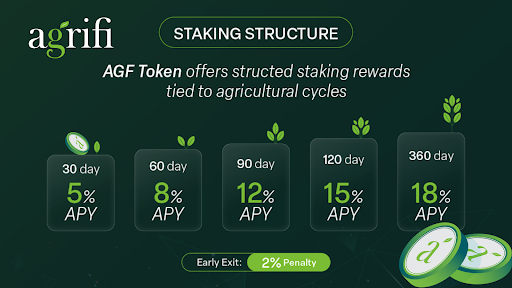
    Token holders can lock their AGF tokens for periods ranging from 30 to 360 days, earning competitive yields of 5%–18% APY.
    Smart contracts automatically calculate rewards based on staking duration and redistribute them directly to users’ wallets.
    An early exit penalty of 2% ensures long-term ecosystem stability and consistent capital flow.

    Profit Distribution Module

    Beyond staking, AgriFi’s Profit Distribution Module converts farm revenues, such as crop sales and lease income, into stablecoins (e.g., USDC) and allocates them proportionally to AGF holders.
    This creates a dual-income structure where investors benefit from both DeFi yield and real-world agricultural profits.

    This establishes a dual participation structure where AGF holders may engage in both staking mechanics and agricultural performance participation, subject to ecosystem conditions.

    All distribution logic is governed by smart contracts and remains on-chain and verifiable.

    1. Transparency Through Smart Contracts: All staking data, farm yields, and revenue flows are verifiable on the Polygon blockchain, ensuring full traceability from the field to the token holder.
    2. Farmer Capital Access: By enabling fractional investment through tokenized farmland, AgriFi allows farmers to raise funds transparently while sharing returns with global stakeholders.

    From Field Performance to On-Chain Reward Logic

    The defining strength of AgriFi’s staking model lies in its economic linkage between agriculture and blockchain.

    The ecosystem architecture operates across three primary layers:

    Blockchain Layer
    Records token ownership, staking participation, governance logic, and smart contract execution.

    Business Logic Layer
    Manages farmland tokenization structures, allocation formulas, and reward calculations.

    Off-Chain Operational Layer
    Integrates agricultural activity, farm management systems, and IoT data inputs.

    Revenue generated through agricultural activities and ecosystem participation influences the broader performance logic of the platform. That performance logic informs the sustainability and allocation of staking rewards.

    In simplified structural terms:

    Farm productivity influences ecosystem revenue
    Ecosystem revenue influences distribution capacity
    Distribution capacity influences staking sustainability

    This framework establishes a direct pathway between real agricultural output and decentralized finance participation.

    Importantly, staking returns are performance-linked and ecosystem dependent. They are not fixed-income guarantees. This distinction preserves structural integrity and regulatory clarity.

    Agricultural DeFi Within the Real World Asset Movement

    The tokenization of real world assets has become one of the defining themes in decentralized finance. Treasury instruments, real estate, and private credit have gained attention. Agriculture, despite being foundational to global economic stability, has remained structurally underrepresented.

    AgriFi’s staking framework introduces a clear model for integrating agricultural productivity into DeFi reward mechanics.

    Rather than treating farmland as a static digital token, the ecosystem embeds agricultural output into staking participation, governance structures, and ecosystem incentives.

    This approach positions agricultural finance as a distinct and credible category within the broader real world asset evolution.

    Infrastructure Built for Accessibility

    Operating on Polygon enables low transaction costs and high throughput. Wallet compatibility includes MetaMask and WalletConnect, allowing participants to engage directly with staking contracts.

    All staking logic remains on chain and independently verifiable, reinforcing transparency and trust.

    About Agrifi

    Agrifi is driving an agricultural revolution, harnessing blockchain technology to transform the agricultural supply chain. Our mission is to enhance transparency, efficiency, and sustainability in agriculture while empowering farmers and supporting small-scale agricultural practices.

    Join us on this exciting journey to explore the future of agriculture while potentially enhancing the value of your AGF tokens. We’re not just redefining agricultural finance; we’re revolutionizing the future of farming and food production.

    Ready to start staking your AGF tokens? Visit our website at https://agrifi.tech/for detailed steps on how to stake your tokens. Stay connected with us on Telegram, Twitter, Facebook and Instagram for the latest updates and community discussions.

    Follow Us on:

  • Slotozilla Data Report: Unveiling 2025 Online Slot Statistics

    Philadelphia, Pennsylvania, 20th February 2026, ZEX PR WIRE, Slotozilla has established itself as a recognized international resource for electronic gaming machines and casino reviews. Drawing on its team’s collective expertise, the brand continues to provide independent analysis of industry operators, software, and player behaviour. It has recently published the Online Slots Statistics report that presents findings based on the platform’s demo slot machines interaction data collected throughout 2025. The expert analysis highlights regional preferences, engagement levels, and usage patterns, which offer stakeholders insights into key player preferences from demo slot usage data.

    Global Favourites: The Demo Slots That Defined 2025

    The Slotozilla market report effectively highlighted slot trends across selected GEOs worldwide. Canadian players showed a strong preference for wildlife-themed titles, while mythologically inspired and high-volatility slots led engagement in the US. In Australia, gold rush–themed games emerged as the clear market favourite.

    A long-standing adventure-themed video slot carried over its momentum in the Spanish market from 2024. It remained the most popular demo category in Spain and maintained the highest regional engagement levels in 2025. This indicates sustained dominance of similar adventure-driven themes and highlights the market’s continued affinity for familiar, narrative-focused slot experiences.

    France, Poland, and Portugal demonstrated a marked inclination toward crash mechanics. Crash-style titles led engagement metrics across these markets, each showing strong player interaction within this format. The data suggests that crash games are likely to maintain their momentum into 2026.

    Players in Germany and the UK showed stronger engagement with high-volatility and feature-driven slot formats, respectively. Overall, European slot preferences appeared to have diversified significantly compared to the previous year. This shift indicates a market increasingly open to evolving mechanics and varied gameplay formats heading into 2026.

    Engagement and Regional Behaviour Shifts

    Analysis of engagement metrics shows a clear correlation between retention rates and average playtime. Canada and Poland recorded high values across both indicators, reflecting sustained player interest and repeated demo sessions. Conversely, Australia and Portugal displayed lower averages, suggesting shorter play cycles and reduced session frequency.

    Category-level data further reinforced these trends. In Australia, gold rush–themed titles continued to demonstrate strong regional performance, while in Spain, long-established adventure-themed slots maintained leading positions in both retention and average playtime.

    About Slotozilla

    Since its inception, Slotozilla has become one of the most respected names in the global iGaming ecosystem. For over ten 12 years, it has published a vast array of online casino reviews, payment method commentaries, and comprehensive ecosystem analyses.

    Slotozilla as a gaming platform also has 3,000+ slot demos available for players to enjoy for free. Its expert team comprises 50+ members with decades of experience. This guarantees the delivery of informative, precise insights, as seen in the Online Slots Statistics 2025 report.

    Further information is available on the Slotozilla official website, and the company can be reached through its media contact.

  • Inframarkets Unveils an Innovative Framework for Energy Infrastructure Risk Pricing

    Crypto retail is done chasing narratives. After multiple cycles of memecoin and altcoin fatigue – with investor sentiment at prolonged lows – participants are looking for something that traditional crypto markets have never offered: on-chain exposure to real-world sectors with measurable fundamentals, persistent volatility, and deep liquidity.

    Inframarkets are building exactly that. For the first time, retail traders can gain direct on-chain exposure to energy and power markets – one of the largest, most volatile, and most data-rich asset classes in the global economy – through an energy prediction market designed for informed trading rather than narrative speculation.

    The concept is straightforward and ambitious: bring the billion-dollar prediction market model to a trillion-dollar sector. Inframarkets positions itself as an informed trading platform that delivers retail access to on-chain energy derivatives through high-performance Solana prediction markets infrastructure, combining deep analytics with professional-grade trading experience.

    Retail Fatigue and the Search for Substance

    Crypto retail cycles have historically revolved around memecoins, narrative tokens, and short-term speculation. But after successive waves of rug pulls, vapourware, and diminishing returns, memecoin and altcoin fatigue has become increasingly pronounced. Investors are actively seeking markets supported by measurable data rather than social momentum alone.

    At the same time, prediction markets have proven that strong demand exists for event-based trading. Billions in volume have flowed through platforms where users express probabilistic views on defined outcomes. Yet most of these markets remain anchored to politics, sports, or cultural events – sectors that are difficult to hedge, lack continuous price signals, and offer no structural edge to informed participants.

    The next stage of prediction market growth requires an evolution toward hedgeable real-world assets and structurally meaningful sectors where data, not narrative, drives pricing.

    Energy: A Data-Rich Asset Class That Traders Crave

    Energy markets are among the largest and most liquid financial markets globally. Power prices, renewable output, congestion metrics, and commodity benchmarks generate continuous streams of structured data. Crucially, energy is defined by persistent and extreme volatility, exactly the conditions that attract traders.

    This makes energy particularly well suited for prediction markets. Unlike political or sports markets that produce a single binary outcome after weeks or months, energy markets generate tradable events daily. Outcomes can be tied to:

    • Published ISO and TSO reference prices (e.g., ERCOT, PJM, AEMO)
    • Renewable generation metrics and intermittency events
    • Defined price thresholds and spike conditions
    • Time-bound settlement events with deterministic resolution

    Unlike purely narrative-driven markets, energy markets are grounded in infrastructure signals. This creates a foundation for deep analytics – volatility modelling, seasonal pattern analysis, weather-driven forecasting – and enables quantitative strategy development at a level that no election or sports market can match.

    Inframarkets enables on-chain retail exposure to energy and power through standardized event contracts. Retail participants gain access to structured on-chain energy derivatives tied to measurable outcomes – for the first time, without needing an ISDA, a prime brokerage account, or institutional-scale capital.

    Retail Access to Institutional-Scale Markets: A First

    Historically, energy derivatives have been the exclusive domain of institutional desks, utilities, commodity traders, and asset managers. The barriers to entry, driven by regulatory complexity, capital requirements, and counterparty infrastructure, have kept retail traders entirely locked out of global power markets.

    Inframarkets change this. By offering retail access to an energy prediction market built on Solana prediction markets infrastructure, the platform enables global participation in markets traditionally reserved for professional trading desks. Deploying contracts on-chain removes the gatekeepers. Any trader, anywhere, can take a position on power volatility using clearly defined instruments.

    This represents a structural shift in crypto. Instead of speculating on token narratives with zero fundamental backing, retail traders gain exposure to real-world power volatility, which is a multi-trillion-dollar market that moves on supply, demand, weather, and infrastructure constraints. The combination of retail access and hedgeable real-world assets strengthens the long-term value proposition of both the platform and the broader prediction markets sector.

    Hybrid Architecture for Performance

    A defining feature of Inframarkets is its hybrid architecture. The platform combines an off-chain central limit order book (CLOB) for high-speed matching with on-chain settlement on Solana for transparency and composability.

    This structure delivers:

    • Exchange-level execution performance with sub-second order matching
    • Transparent resolution and settlement finality
    • Efficient order management compatible with systematic and algorithmic strategies
    • The throughput of the most performant blockchain paired with the responsiveness of a centralised matching engine
    • Fully non-custodial for added security 

    Solana prediction markets infrastructure supports high throughput and low latency, which is critical for event-driven trading where prices can move rapidly around settlement windows. By anchoring settlement on Solana, Inframarkets provides both speed and transparency – an architecture that allows retail and professional participants alike to interact with prediction markets the way they would with a professional trading venue, while preserving full on-chain integrity.

    Permissionless Market Deployment and Market Expansion

    Inframarkets is also designed with permissionless market deployment at its core. As the protocol evolves, new event contracts tied to different segments of the energy ecosystem can be introduced rapidly – without centralized approval bottlenecks.

    This flexibility allows the platform to scale across:

    • Regional power markets (North America, Europe, Asia-Pacific)
    • New renewable generation metrics and capacity events
    • Commodity-linked benchmarks (natural gas, carbon credits)
    • Infrastructure-driven events (grid congestion, demand response)

    By connecting on-chain energy derivatives with a trillion-dollar global energy sector, Inframarkets is effectively bringing a billion-dollar prediction market model into a fundamentally larger financial domain. Permissionless market deployment ensures that this expansion is driven by participant demand rather than platform gatekeeping.

    Capital Efficiency and Yield Integration

    Beyond execution and access, Inframarkets incorporates capital efficiency mechanisms designed to reduce the opportunity cost of participation. Idle collateral associated with open positions or resting orders can be directed toward integrated yield strategies, improving capital utilization without requiring traders to close positions or withdraw funds.

    For retail traders accustomed to static collateral requirements on existing prediction market platforms, this represents a meaningful upgrade: Productive capital deployment while maintaining market exposure. The result is an energy prediction market designed not only for access but for efficient, sustained participation.

    From Speculation to Utility: The Informed Trading Thesis

    The broader crypto market is transitioning from pure speculation toward utility-driven infrastructure. Prediction markets are maturing, and participants are demanding platforms that combine transparency, data integrity, and real-world relevance. The era of narrative-only markets is reaching its structural limit.

    Inframarkets positions itself as an informed trading platform at the forefront of this shift. By offering the first on-chain retail exposure to energy and power, leveraging Solana’s performance, supporting deep analytics across a data-rich asset class, and focusing on hedgeable real-world assets, the platform bridges the gap between crypto innovation and global financial markets.

    As investor sentiment continues to evolve beyond memecoin and altcoin fatigue, the long-term growth of prediction markets will depend on their ability to connect to meaningful economic sectors. Inframarkets is building an energy prediction market that gives crypto participants what they have been missing: Real volatility, real data, and real markets.

    Follow Inframarkets.io on X: https://x.com/Inframarkets
    Follow Inframarkets.io on LinkedIn: https://www.linkedin.com/company/inframarkets/ 

  • Trust Signal Expands to MENA to Elevate Enterprise and Startup Communications

    Dubai, UAE, February 19th, 2026, ZEX PR WIRE, The MENA region today represents one of the world’s most digitally dynamic regions. Several GCC markets report smartphone penetration rates above 90%, while governments are deploying multi-billion-dollar investments to accelerate national digital transformation programs, including Saudi Arabia’s Vision 2030, which prioritizes a diversified, technology-enabled economy, and the UAE’s Digital Economy Strategy, aimed at increasing the digital economy’s contribution to GDP. (Source)

    As fintech, e-commerce, logistics, and super apps scale at record speed, communication has become a mission-critical infrastructure. Customer acquisition, authentication, payments, notifications, and support now rely on real-time, compliant, and highly secure messaging ecosystems. At the same time, regulatory frameworks across the region are tightening, and customer expectations around data privacy, responsiveness, and personalization are rising.

    Enterprises are therefore rethinking communication not as a channel, but as a strategic growth lever.

    Against this backdrop, TrustSignal has announced its expansion into the MENA region. The move reflects a growing demand for resilient, secure, and regulation-ready communication infrastructure that can support both high-growth startups and large enterprises operating across multiple jurisdictions.

    With its AI-powered CPaaS ecosystem, TrustSignal aims to enable businesses to manage omnichannel communication with greater reliability, scalability, and compliance. Designed to address the region’s evolving regulatory landscape and diverse consumer behaviors, the platform brings together automation, delivery optimization, and enterprise-grade security to power meaningful customer engagement at scale.

    In a region where digital trust directly influences brand growth, communication infrastructure is no longer optional; it is foundational. TrustSignal’s MENA expansion signals a deeper commitment to supporting businesses as they navigate this next phase of digital maturity.

    Why MENA, Why Now

    The Communication Platform as a Service market in the Middle East and Africa is projected to reach approximately US$10.1 billion by 2030 (Source). This trajectory signals more than sector expansion. It reflects a structural redesign of how enterprises approach customer engagement.

    The growth is demand-led.

    Across MENA, this momentum is reinforced by API first cloud adoption, mobile commerce growth, heightened security requirements, and cross-border digital expansion.

    Channel dynamics are shifting in parallel. A2P SMS remains central for authentication and alerts, while WhatsApp Business APIs and conversational messaging are accelerating across retail and financial services. Enterprises are moving from broadcast notifications to interactive, two-way journeys, with voice APIs gaining ground in security and service coordination.

    Communication is not only increasing in volume, but advancing in complexity.

    What This Means for Businesses in MENA

    The acceleration of CPaaS adoption in MENA marks a structural shift in how enterprises design customer engagement. As messaging evolves from one-way notifications to real-time interactive journeys, communication now sits at the core of revenue flow, fraud prevention, customer trust, and compliance.

    Enterprises are navigating rising authentication volumes, expanding conversational traffic, cross-border delivery complexity, and tighter regulatory expectations, demanding infrastructure that is intelligent, resilient, and measurable.

    TrustSignal’s expansion aligns with this inflection point, enabling businesses to move beyond scale toward real-time optimization, lower latency, stronger verification stability, and more reliable customer journeys. In a market where a delayed OTP can disrupt transactions and erode trust, communication performance directly shapes business performance.

    MENA’s next phase of digital growth will be defined not by message volume, but by delivery intelligence.

    Reframing Communication as a Performance Engine

    TrustSignal approaches the regional opportunity with a clear thesis: communication infrastructure must evolve from a cost center to a measurable growth engine.

    Its AI-enabled CPaaS platform is anchored on three structural capabilities.

    • Intelligent Routing and Optimization
      Adaptive algorithms analyze delivery behavior in real time, dynamically selecting optimal routes to improve authentication reliability and reduce latency during demand spikes.
    • Performance Visibility and Analytics
      Granular reporting frameworks provide enterprises with actionable insights into delivery outcomes, engagement metrics, and channel efficiency, enabling continuous refinement of communication workflows.
    • Security and Compliance Architecture
      Embedded encryption layers and compliance-aligned frameworks are designed to support evolving regulatory standards across MENA jurisdictions.

    Rather than positioning itself as a transactional messaging vendor, TrustSignal operates as an infrastructure partner focused on engineering predictability, resilience, and measurable impact into enterprise communication systems.

    A Forward Looking Vision

    As MENA’s digital economy matures, the defining differentiator will be operational precision.

    TrustSignal’s regional roadmap centers on advancing AI-driven communication intelligence, deepening vertical integrations across fintech, retail, healthcare, and mobility, strengthening predictive performance modeling to anticipate demand surges, and expanding localized enterprise advisory capabilities.

    The long term objective is to help enterprises transition from reactive messaging systems to predictive communication ecosystems where infrastructure continuously adapts to optimize engagement, security, and efficiency.

    Against this backdrop, the Middle East and North Africa represent a strategic growth frontier for the company. Articulating this vision, Mr Imran Shaikh, Founder and CEO of TrustSignal, stated:

    “MENA stands among the world’s most dynamic digital markets. Our expansion underscores a long term commitment to equipping enterprises with a compliant, scalable communication infrastructure that advances regional digital ambitions.”

    TrustSignal’s expansion reflects alignment with that future, one where communication is architected for resilience, transparency, and measurable business impact.

  • Inveslo Advances Global Trading Presence with FSC Mauritius Approval and MT5 Integration

    Inveslo Secures FSC Mauritius License, Launches MT5 Platform, and Unveils Next-Generation Client & IB Areas, Setting New Standards in Innovation and Compliance

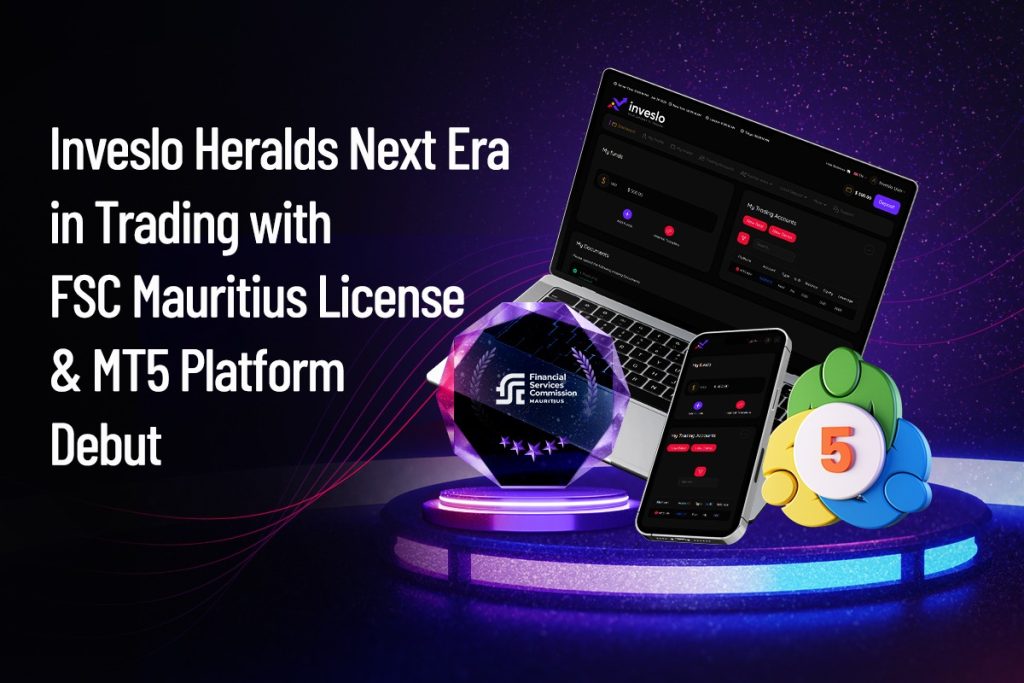
    Dubai, UAE, 19th February 2026, ZEX PR WIRE, Inveslo proudly announces two transformative milestones that establish a new benchmark in global trading. The company has secured a regulatory Licensed by FSC Mauritius (License No: GB25205645) and launched its next-generation MetaTrader 5 (MT5) trading platform, enhanced with redesigned Client and Introducing Broker (IB) areas.

    These achievements represent a major advancement in Inveslo’s mission to deliver institutional-grade trading performance under the highest standards of compliance, transparency, and trust. The FSC Mauritius license strengthens governance, regulatory oversight, and global credibility, ensuring traders and partners can operate with confidence in a fully regulated environment.

    Powered by cutting-edge MT5 technology, the platform delivers lightning-fast execution, deep liquidity access, multi-asset trading, and advanced analytics. The upgraded Client Area and IB Area further streamline portfolio management, client tracking, and performance insights, creating a unified, high-performance trading ecosystem.

    With these milestones, Inveslo continues to shape the future of regulated, technology-driven trading worldwide.

    FSC Mauritius License: Setting a Global Standard for Compliance

    The official FSC Mauritius authorization marks a significant step in Inveslo’s global expansion strategy. This regulatory milestone strengthens the company’s governance and compliance infrastructure, providing clients and partners with a secure, transparent, and fully regulated trading environment.

    By achieving FSC Mauritius licensing, Inveslo ensures that traders and Introducing Brokers operate within a trusted framework, reflecting the company’s dedication to integrity, transparency, and adherence to international financial regulations. The license positions Inveslo for sustainable growth across international markets and reinforces its standing as a globally trusted broker.

    MT5 Trading Platform: Institutional-Grade Technology for All Traders

    Central to Inveslo’s offering is its MT5-powered trading platform, delivering professional-grade trading performance across forex, commodities, indices, and other global markets. Designed for speed, reliability, and advanced analytics, the platform enables users to make smarter, faster, and more informed trading decisions.

    Enhanced Client & IB Areas: Optimized for Modern Traders and Partners

    Complementing the MT5 platform is a fully redesigned Client Area and Introducing Broker Area. While the FSC license and MT5 infrastructure remain central, these upgraded areas deliver a more intuitive and efficient experience:

    Client Area: Consolidates account management, deposits, withdrawals, and trading activity into one seamless interface, providing real-time portfolio insights and actionable market data.

    IB Area: Offers a comprehensive suite of partnership tools, including client tracking, performance analytics, and engagement capabilities, enabling Introducing Brokers to grow and scale their businesses effectively.

    Together, these enhancements integrate seamlessly with MT5, delivering a unified ecosystem combining regulatory assurance, high-performance trading, and advanced client and partner tools.

    CEO’s Vision: Experience Meets Innovation

    “This year marks a defining moment for Inveslo,” said Dr. Farrukh Adeeb, Chairman & CEO.

    “With years of experience in global financial markets, I have seen how technology and regulation must work together to create a truly reliable trading environment. By securing our FSC Mauritius license and introducing the MT5-powered platform alongside upgraded Client and IB Areas, we are combining regulatory excellence with cutting-edge performance.

    Our mission is to empower traders and partners worldwide with tools that are fast, transparent, and professional-grade — built not only for today’s markets but also for the evolving future of global trading. These milestones reflect our commitment to innovation, compliance, and delivering an ecosystem where trust and performance go hand in hand.”

    The All-New Inveslo Experience Is Live

    Traders and partners worldwide are invited to explore the MT5 platform under the assurance of FSC Mauritius regulation. Smarter execution, deeper insights, and trusted growth come together to create a global trading ecosystem designed for modern financial markets.

    Smarter decisions. Faster execution. Trusted growth. Welcome to Inveslo 2.0.

    About Inveslo

    Inveslo is a regulated global trading platform Licensed by FSC Mauritius (License No: GB25205645), delivering advanced financial technology, trading solutions, and comprehensive partnership programs. Committed to innovation, compliance, and client success, Inveslo empowers traders and Introducing Brokers worldwide to achieve their financial ambitions across dynamic global markets.

    For more information, visit: www.inveslo.com

  • Top Crypto Trading Platforms Supporting INR-Based Trading For Indians

    For many of us, the first step into crypto trading starts with a simple question – which platform lets me trade using INR without friction? Over time, that choice shapes how confident and consistent trading feels.

    INR-based access reduces extra conversion steps and makes tracking gains, losses, and taxes more straightforward. It also pushes you to look closer at compliance, withdrawal reliability, and product range before investing funds. 

    Some platforms focus on spot markets, others support crypto derivatives, and a few balance both effectively. 

    We tried many popular crypto trading platforms. Here’s an insight into some of them – Delta Exchange, CoinDCX, CoinSwitch, ZebPay, and Mudrex – all support INR trading and are also the best Indian crypto exchanges

    Key Takeaways

    • INR-based access simplifies crypto trading by reducing currency conversion steps. 
    • It keeps deposits and withdrawals in familiar currencies for Indian users, making them easier during tax filing, if needed.
    • Compliance standards, withdrawal reliability, and product clarity also matter when choosing a platform.
    • Platforms like Delta Exchange, CoinDCX, CoinSwitch, Zebpay, and Mudrex are popular crypto trading platforms in our list. 

    Top Crypto Trading Platforms Supporting INR-Based Trading

    1. Delta Exchange

    The first on our list is Delta Exchange, which offers a crypto derivatives-led (futures and options) setup built around INR-based participation. All derivative contracts are notionally margined and settled in USD, though the platform uses a fixed USD-INR rate of ₹85. 

    The balances remain within the Indian banking system in INR, which means margin calculations and realised P&L effectively happen in INR. This structure avoids exposure to real-time USD-INR currency swings. 

    Delta Exchange is one of the top crypto trading platforms to try

    Deposits and withdrawals are both accepted in INR and shown in the account as USD using the fixed rate. This approach simplifies crypto derivatives access for Indian users without foreign currency handling.

    The platform also offers risk management strategies, is compliant with the Financial Intelligence Unit (FIU), offers algo trading, a demo account for practice, and much more – making it one of the best Indian crypto exchanges in the market. 

    1. CoinDCX

    Next, we have CoinDCX – one of the crypto trading platforms widely used in India, offering both entry-level and advanced tools. The platform highlights over 500+ cryptocurrencies available for spot trading with direct INR deposits and withdrawals via bank transfers and UPI. 

    CoinDCX – one of India’s top crypto trading platforms

    CoinDCX is registered with India’s FIU – meaning it follows local AML and KYC norms as part of its compliance framework. You can access spot, margin, options, and futures markets with up to 100x leverage on certain pairs. It also provides APIs to place and manage orders programmatically. 

    An automatic tax reporting tool and a unified mobile/web interface help both new and regular traders explore crypto trading in one place. 

    1. CoinSwitch 

    CoinSwitch focuses on simplifying INR-based crypto trading for Indian users through its mobile and web platforms. The app lets you deposit INR via bank transfer or UPI and use it to buy, sell, or trade Bitcoin, Ethereum, and 400+ other cryptocurrencies directly in INR without forced conversions to other currencies.

    CoinSwitch is among the best Indian crypto exchange

    CoinSwitch takes this further by enabling INR-denominated crypto futures and crypto options – this eliminates the need for dollar conversions, and derivatives activity feels more aligned with local needs. 

    CoinSwitch also pools liquidity from multiple sources to show competitive prices, minimize slippage, and provide clarity for INR deposits and withdrawals.

    1. ZebPay

    ZebPay has been in the market since 2014 and supports INR-based crypto trading through simple deposit and withdrawal options linked to users’ bank accounts. Within its app, ZebPay outlines multiple ways to add INR, including UPI and bank transfers, which usually credit within minutes when using the UPI route. 

    ZebPay for crypto trading and BTC SIPs

    Once INR is in the wallet, you can buy, sell, and trade BTC and dozens of other crypto pairs instantly via Quick Trade with limit and market orders. Fiat withdrawals are processed back to the registered bank account, and ZebPay’s fee page shows zero charges on INR deposits, while withdrawals may have a small flat fee. The platform also offers perpetual INR-paired futures leverage for experienced traders. 

    1. Mudrex 

    Last but not least, we have Mudrex. It supports INR-based crypto derivatives (futures) through its INR-margined futures setup, aimed at Indian users who prefer trading without USD conversions. Margins, profits, and losses are calculated directly in INR, which keeps accounting and risk tracking simpler.

    Mudrex offers 650+ coins to explore

    You can deposit INR, choose futures pairs, set leverage, and monitor positions shown in rupees. This structure avoids dependence on stablecoins and foreign currency settlement. 

    Alongside futures, Mudrex continues to offer spot markets, Coin Sets, and various crypto tools for analysis. For users comparing crypto trading platforms, Mudrex, alongside Delta Exchange, CoinDCX, and others, seems like a reliable option to try.

    The Bottomline 

    INR-based access in crypto has become a deciding factor for many Indian traders, as it keeps deposits, withdrawals, and profit tracking simpler. Platforms that support INR trading reduce friction and help you stay focused on actual crypto trading instead of currency conversions. 

    For those comparing crypto trading platforms, the right choice often comes down to comfort, transparency, and how well the platform fits Indian compliance standards and is able to feed the growing appetite of the traders. 


    Disclaimer: This piece is only for educational purposes. Any information provided here is not to be taken as investment advice. Kindly consult a financial advisor or crypto expert before making any investment decisions. 

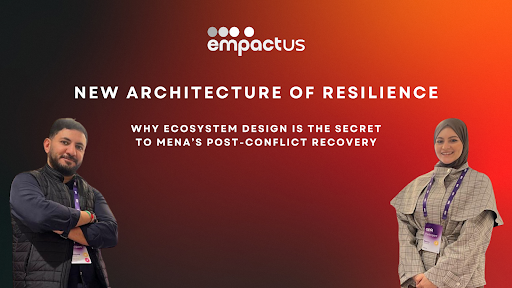
  • Beyond Charity: EmpactUS Launches Ecosystem-Driven Resilience for Post-Conflict Recovery in MENA

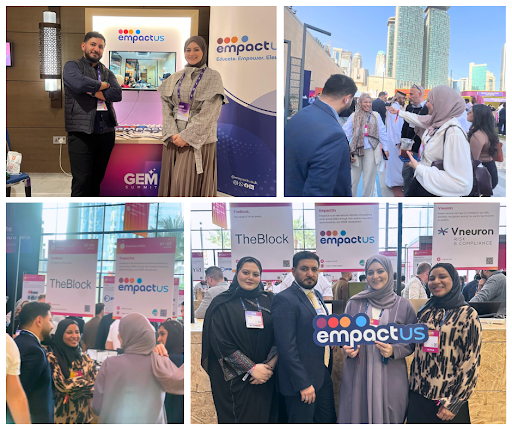
    Doha, Qatar, 17th February 2026, ZEX PR WIRE– As the curtains fall on Web Summit Qatar 2026, a new narrative is emerging from the Middle East—one that replaces the image of “fragility” with one of “high-capacity innovation.” At the center of this shift is EmpactUS, a venture-building ecosystem that is rewriting the playbook for post-conflict recovery. Led by social impact entrepreneur Hammam Elmasri, the organization is championing a systemic approach to economic stabilization that prioritizes digital capacity over traditional humanitarian aid.

    The core thesis presented by EmpactUS is simple yet provocative: In the modern era, the most durable form of reconstruction isn’t physical infrastructure—it is the creation of self-sustaining, tech-enabled entrepreneurship ecosystems.

    The Failure of the “Aid-Only” Paradigm

    For decades, the global response to conflict in the MENA region—from Palestine and Lebanon to Syria and Iraq—has been dominated by a “humanitarian-first” model. While essential for immediate survival, these short-term employment programs and aid cycles often leave communities in a state of “permanent fragility.”

    “Recovery is not just about reconstruction; it is about restoring economic dignity,” says Hammam Elmasri, Co-Founder of EmpactUS. “We see young populations in these regions who are already digitally native, highly skilled, and profoundly entrepreneurial. They don’t lack talent; they lack the systems that translate that talent into global market value. If we don’t build those systems, we are simply managing poverty rather than solving it.”

    The EmpactUS Framework: Three Pillars of Systemic Change

    During his engagement with global tech leaders in Doha, Elmasri outlined the EmpactUS Model, a three-pillared strategy designed to act as “Stabilization Infrastructure” in volatile markets:

    1. Capacity First (Market-Aligned Skill Building)

    Traditional education in conflict zones often lags behind global trends. EmpactUS focuses on high-intensity skill-building in the digital and service sectors—industries that are “geography-blind” and can operate even when local physical infrastructure is compromised. By aligning local talent with global market demands, they ensure that the workforce is resilient to local shocks.

    1. Ecosystem Integration (Breaking Geographical Isolation)

    Conflict-affected founders often operate in silos, cut off from the capital and mentorship that their counterparts in Silicon Valley or Berlin take for granted. EmpactUS acts as a bridge, connecting MENA startups to global technology platforms, institutional investors, and corporate partners. “Global integration is not a luxury,” Elmasri explains. “It is a recovery multiplier that shortens learning curves and builds international credibility for founders who would otherwise be invisible.”

    1. Values-Driven Entrepreneurship (The Trust Currency)

    In fragile environments, trust is the most valuable currency. EmpactUS mentors founders to prioritize governance integrity and long-term community impact over “blitz-scaling” or short-term speculative gains. This focus on sustainable growth creates businesses that act as anchors for local economic circulation and community resilience.

    Startups as Engines of Peace

    The broader implication of the EmpactUS model is that startups in conflict zones serve a dual purpose. Beyond generating revenue, they function as platforms for rebuilding social trust. They provide the “Digital Infrastructure” necessary for a society to transition from a state of crisis to a state of innovation.

    “We are seeing founders building fintech solutions under sanctions and edtech platforms amid school disruptions,” Elmasri noted at Web Summit. “These are not just businesses; they are evidence of a new recovery narrative. When we support them through coherent systems, we shift the focus from aid dependency to economic agency.”

    A Call to Global Tech Leaders

    As EmpactUS scales its operations across the MENA region, the message to the global tech community is clear: The next frontier of innovation may well be in the places we least expect. By investing in “Ecosystem Design,” global partners aren’t just performing corporate social responsibility—they are participating in the creation of a more stable, integrated, and prosperous global economy.

    For Hammam Elmasri and the EmpactUS team, the mission remains unwavering. Post-conflict recovery is no longer about looking back at what was lost; it is about designing a future that is stronger, more inclusive, and driven by the limitless capacity of human ingenuity.

    About EmpactUS

    EmpactUS is a social impact organization dedicated to building value-driven startup ecosystems in conflict-affected and underserved regions. By bridging the gap between local talent and global innovation flows, EmpactUS empowers a new generation of entrepreneurs to lead the way in regional stabilization and economic growth.

  • Billions of dollars flowed into spot ETFs; CPI index fueled rebound – XRP price poised to break $10 in 2026

    London, UK, 17th February 2026, Donald Trump has recently expressed a positive attitude towards financial market innovation and capital market development on multiple public occasions, sparking market expectations for an improved policy environment for digital assets. Driven by both macroeconomic data and capital flows, overall sentiment in the crypto market has rebounded, with XRP’s price performance once again becoming a focus of investor attention.

    Recently, spot ETFs have seen a continuous inflow of billions of dollars, which is seen by the market as one of the important drivers of the rebound in digital assets. The entry of institutional funds has not only improved market liquidity but also boosted the confidence of long-term investors. Analysts believe that when long-term capital continues to enter the market, price fluctuations tend to stabilize, laying the foundation for a new round of upward cycle.

    CPI data fueled an asset rebound.

    The latest CPI (Consumer Price Index) data shows that inflationary pressures have eased, and market expectations for future monetary policy are becoming more optimistic. Lower inflation expectations typically increase the attractiveness of risk assets, causing funds to flow back into growth and high-volatility assets, thereby driving an overall rebound in digital assets.

    Driven by both an improved macroeconomic environment and capital inflows, analysts predict that XRP will still have significant upside potential in the future, and may even challenge or break through the important psychological barrier of $10 in 2026.

    CryptoEasily provides supplementary returns for long-term holders.

    As expectations of rising prices strengthen, more and more investors are focusing on how to generate additional returns during the holding period. CryptoEasily’s digital asset management and cloud computing solutions offer long-term holders a passive income model, enabling assets to continue operating even during periods of market volatility.

    User feedback indicates that the automated profit settlement mechanism reduces the pressure of frequent trading, making it more suitable for investors whose core strategy is long-term holding.

    CryptoEasily is a regulated cloud mining platform.

    As the crypto industry rapidly develops, security and compliance have become core concerns for investors. CryptoEasily emphasizes that the platform adheres to compliance, security, and transparency principles and undergoes regular financial and security audits by third-party institutions. Its security infrastructure includes platform operations that comply with the European MiCA and MiFID II regulatory frameworks, annual financial and security audits conducted by PwC, and digital asset custody insurance provided by Lloyd’s of London.

    At the technical level, the platform employs multiple security mechanisms, including bank-grade firewalls, cloud security authentication, multi-signature cold wallets, and an asset isolation system. This rigorous compliance system provides excellent security for users worldwide.

    Its core advantages include:

    ● Zero-barrier entry: No need to buy mining machines or build a mining farm, even beginners can easily get started.
    ●Automated mining: The system runs 24/7, and profits are automatically settled daily.
    ● Flexible asset management: Earnings can be withdrawn or reinvested at any time, supporting multiple mainstream cryptocurrencies.
    ●Low correlation with price fluctuations: Even during short-term market downturns, cash flow remains stable.

    CryptoEasily CEO Oliver Bruno Benquet stated:
    “We always adhere to the principle of compliance first, especially in markets with mature regulatory systems, to provide users with a safer, more transparent and sustainable way to participate in digital assets.”

    How to join CryptoEasily

    Step 1: Register an account

    Visit the official website: https://cryptoeasily.com

    Enter your email address and password to create an account and receive a $15 bonus upon registration. You’ll also receive a $0.60 bonus for daily logins.

    Step 2: Deposit XRP or other crypto assets

    Go to the platform’s deposit page and deposit mainstream crypto assets, including: BTC, USDT, ETH, LTC, USDC, XRP, and BCH.

    Step 3: Select and purchase a mining contract that suits your needs.

    CryptoEasily offers a variety of contracts to meet the needs of different budgets and goals. Whether you are looking for short-term gains or long-term returns, CryptoEasily has the right option for you.

    Common contract examples:

    Entry-level contract: $100 — 2-day cycle — Total profit approximately $108

    Stable contract: $1000 — 10-day cycle — Total profit approximately $1145

    Professional Contract: $6,000 — 20-day cycle — Total profit approximately $7,920

    Premium Contract: $25,000 — 30-day cycle — Total profit approximately $37,900

    For contract details, please visit the official website.

    After purchasing the contract and it takes effect, the system will automatically calculate your earnings every 24 hours, allowing you to easily obtain stable passive income.

    Invite your friends and enjoy double the benefits

    Invite new users to join and purchase a contract to earn a lifetime 5% commission reward. All referral relationships are permanent, commissions are credited instantly, and you can easily build a “digital wealth network”.

    Conclusion

    Continued inflows into spot ETFs, coupled with positive macroeconomic data from CPI, have fueled high market expectations for XRP’s performance in 2026. If funding and market sentiment continue to improve, XRP is poised for a new upward cycle and is expected to become one of the most watched high-potential assets. Against the backdrop of market capital inflows and innovative investment methods, XRP’s price growth expectations complement CryptoEasily’s passive income model, providing investors with a more diversified long-term investment path.

    If you’re looking to earn daily automatic income, independent of market fluctuations, and build a stable, long-term passive income, then don’t miss the opportunity to join CryptoEasily.

    Official website: https://cryptoeasily.com

    App download: https://cryptoeasily.com/xml/index.html#/app

    Customer service email: info@CryptoEasily.com

    Disclaimer: The information provided in this press release does not constitute an investment solicitation, nor does it constitute investment advice, financial advice, or trading recommendations. Cryptocurrency mining and staking involve risks and the possibility of losing funds. It is strongly recommended that you perform due diligence before investing or trading in cryptocurrencies and securities, including consulting a professional financial advisor.

  • The Hidden Cost of DIY Branding (And When It Actually Makes Sense)

      • By Erhan Kaya, Founder & CEO of Zoviz — the AI-powered branding and marketing platform helping startups launch professionally from day one.

    New York, US, 17th February 2026, ZEX PR WIRE, Every founder I know has done it. Fired up Canva at midnight. Watched a YouTube tutorial on logo design. Told themselves they’d “figure out the branding later” once things got moving.

    I get it. When you’re bootstrapping, every dollar matters. Why spend money on a logo when you could put it toward product development or marketing?

    But after watching thousands of businesses go through this exact journey, I’ve noticed something. The founders who treat branding as a “later” problem often end up spending more. Not less. Just differently.


    The costs nobody talks about

    The obvious appeal of DIY branding is the price tag. Zero dollars for a Canva account. Maybe fifty bucks for a template. Compared to agency quotes that start at five figures, the math seems obvious.

    Except the math is wrong. Because it ignores everything else.

    First, there’s time. And I don’t mean a few hours. I mean the cumulative weeks founders spend tweaking logos, second-guessing color choices, rebuilding business cards because something feels off. One founder told me she spent over forty hours across three months trying to finalize her brand. Forty hours she could have spent on sales calls or product work.

    Then there’s the iteration tax. DIY rarely means doing it once. It means doing it four or five times as your standards evolve and you realize that first attempt doesn’t hold up. Each iteration costs time, and sometimes money for new materials, updated signage, reprinted merchandise.

    But the biggest cost? It’s invisible. It’s the deals that didn’t happen because a potential client looked at your website and felt uncertain. The partnership that went to a competitor who simply looked more established. The investor meeting where your pitch deck felt slightly off-brand.

    You’ll never know about these losses. That’s what makes them dangerous.


    The credibility gap is real

    Here’s something uncomfortable but true. Customers make judgments fast. Studies suggest it takes about fifty milliseconds to form an impression of a website. Fifty milliseconds.

    In that blink, people are deciding whether you’re legitimate. Professional. Worth their time.

    A DIY brand isn’t automatically a bad brand. But there’s a consistency and polish that professional work delivers which is genuinely hard to replicate when you’re learning as you go. Small things give it away. Spacing that feels slightly off. Colors that clash in certain contexts. A logo that looks fine on screen but falls apart when printed.

    These details might seem minor. They’re not. They compound into an overall impression of “not quite there yet.”


    The gap I kept seeing

    This tension between cost and quality is exactly what led me to build Zoviz. I kept watching founders get stuck in the same impossible choice: spend thousands on an agency, or settle for generic templates that undermine credibility.

    The existing solutions weren’t solving the real problem. Template-based tools produce logos that look fine at first glance, but they’re built from the same recycled elements everyone else is using. Worse, most export rasterized files that fall apart at different sizes. Try putting a template logo on a billboard or embroidering it on merchandise. The limitations become painfully obvious.

    What founders actually needed was agency-level output without the agency-level price tag or timeline. That meant real SVG files that scale infinitely. Human-designed elements rather than algorithmic mashups. Complete brand systems, not just a logo file.

    At Zoviz, we invested in building a library of over a million proprietary icons and design elements, all created by professional designers. The AI enhances and customizes these authentic designs for each brand, but it’s not generating them from scratch. There’s a significant difference between AI arranging professionally crafted elements and AI hallucinating design from nothing.

    The result is branding that actually holds up under scrutiny. Logos that work on a business card and a storefront sign. Color systems that stay consistent across digital and print. Files that any printer or developer can actually use without asking you for “the vector version.”


    So when does DIY actually make sense?

    I’m not here to tell every founder they need to hire an agency on day one. That would be ridiculous. Sometimes DIY is absolutely the right call.

    If you’re validating an idea and need to move fast, a polished brand is premature. Get something functional and test your concept. Nobody expects a prototype to look like Apple.

    If you have significantly more time than money, and you’re genuinely willing to learn the fundamentals of design, you can create something decent. Not exceptional, but decent. And decent might be enough for where you are.

    If your business model will evolve significantly in the next year, investing heavily in branding now could mean paying twice. Better to wait until things stabilize.

    The key is being honest about which situation you’re actually in.


    When it’s time to invest

    Certain moments demand professional branding. Ignore them at your own risk.

    When you’re raising funding, investors pattern-match constantly. A scrappy brand might signal resourcefulness to some. To others, it signals a founder who doesn’t understand how perception shapes opportunity.

    When you’re selling to enterprise clients, the stakes change completely. Procurement teams, legal reviews, multiple stakeholders. They’re all looking for reasons to trust you or doubt you. Your brand is evidence they’ll use.

    When you’re entering a competitive market where alternatives exist, your brand becomes a key differentiator. If customers can’t tell you apart visually, they’ll default to whoever seems more established.

    And when you’re charging premium prices, your brand needs to justify that positioning. A luxury product with budget branding creates cognitive dissonance that kills sales.


    The real question to ask yourself

    Forget “can I afford professional branding?” That’s the wrong frame.

    Ask instead: what is my current brand costing me in missed opportunities? In time spent iterating? In credibility gaps I can’t see?

    DIY branding isn’t free. It’s just paid in different currency. Sometimes that tradeoff makes sense. Often, founders stick with it longer than they should because the costs stay hidden.

    The businesses that scale successfully tend to figure this out eventually. The smart ones figure it out sooner.